
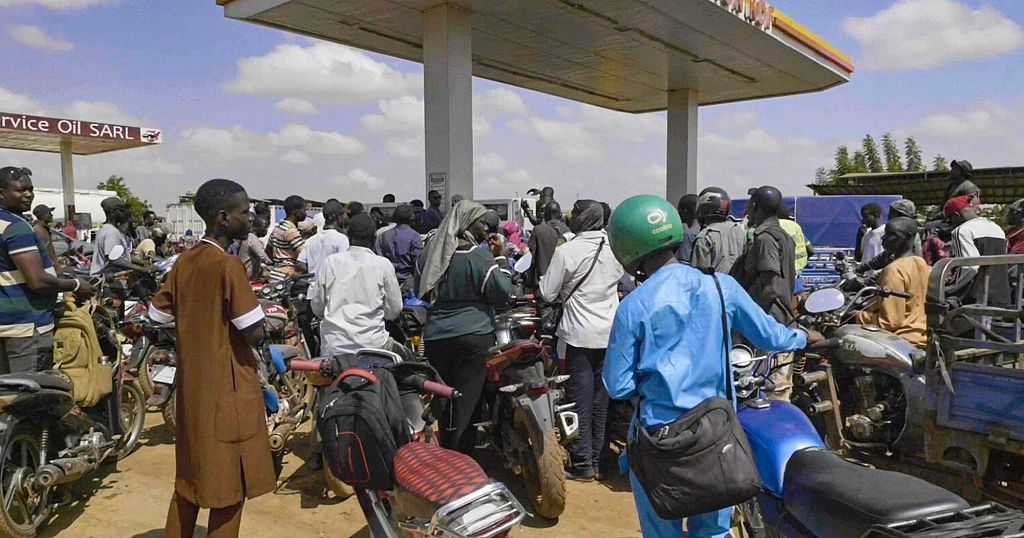
The United States has joined a growing list of countries, including Italy and Germany, in urging its citizens to leave Mali promptly because of the nation’s deepening fuel crisis. The U.S. State Department has ordered all non‑emergency employees and their families to depart, citing safety risks.
Mali’s military‑led government is under immense pressure from al‑Qaeda‑linked insurgents who have been blocking fuel imports since early September. The insurgents, affiliated with Jama’at Nusrat al‑Islam wal‑Muslimin (JNIM), have attacked convoys of petrol tankers trying to enter the landlocked country or reach the capital, Bamako. The blockade is a retaliation for the military’s ban on fuel sales in rural areas, a measure intended to cut off the jihadists’ supply lines.
The ban has led to long queues at garages and rising anger among citizens. To ease the situation, the army has limited its personnel to a few service stations in Bamako and Kati, hoping to reduce tensions at overcrowded stations where petrol prices have surged by 500 percent. The government has also suspended classes at schools and universities for two weeks because of the shortage, which is affecting farmers during the harvest period.
The fuel shortage has further worsened Mali’s recurring power cuts, with electricity supply reduced from 19 to six hours a day by Énergie du Mali. Analysts believe the blockade is part of a militant pressure campaign aimed at crippling the country’s economy. If the blockade continues, the situation is likely to deteriorate, threatening Mali’s stability and security.
As the international community urges its citizens to leave, the Malian government faces significant challenges in addressing the crisis. The country’s landlocked location and reliance on fuel imports make it especially vulnerable to such blockades. With no signs of improvement, the government must find a swift solution to restore fuel supplies and alleviate the suffering of its people, as the ongoing crisis has profound implications for Mali’s economy, security, and overall stability.



Comments are closed for this story.