
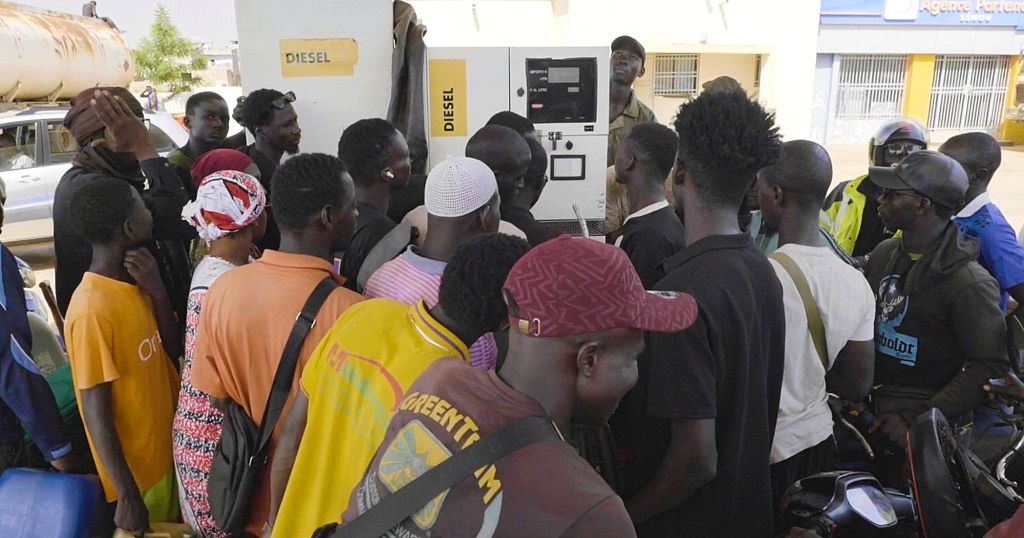
Mali’s capital, Bamako, is grappling with a severe fuel crisis that has left residents uneasy about the country’s deteriorating security and economic conditions. Long queues have formed at gas stations across the city, sparking widespread panic. Although the government has assured the public that fuel convoys are on their way, the situation on the ground remains dire.
The shortage has been compounded by a wave of foreign advisories. Several Western nations have publicly urged their citizens to leave Mali, and the security warnings have been widely circulated on social media. While many understand the right of governments to protect their nationals, the public nature of these warnings has drawn criticism for heightening anxiety among locals. Journalist Yacouba Doumbia argued that diplomatic channels would have been a more appropriate means of communication, rather than the public posts that have caused panic.
The decision to issue public warnings appears to be a response to the growing jihadist threat in the region, especially after recent kidnappings of foreigners. Nonetheless, local voices are calling for more than exit advisories. Journalist Daouda Sangaré contends that foreign nations should propose solutions to be discussed with the Malian government, rather than merely issuing warnings.
The international response has intensified fear among Malians, who feel left without a clear path to resolve the underlying security and economic issues. Many feel trapped and uncertain about their future, creating a growing sense of anxious uncertainty across the country. The Malian government now faces significant challenges in addressing the crisis, and it remains to be seen how the situation will unfold in the coming days.




Comments are closed for this story.