

Tanzanian President Samia Suluhu Hassan has dismissed calls for comprehensive electoral reforms following the country’s disputed 2025 general election. In her inaugural address, she defended the National Electoral Commission, describing the vote as “peaceful, fair, and efficient.” Her comments came despite criticism from regional and international observer missions, which reported intimidation of opposition figures, suppression of media freedoms, and limited voter participation.
The Southern African Development Community and other observer missions released preliminary reports highlighting several flaws, including the detention of opposition leader Tundu Lissu and biased media coverage. President Suluhu, however, quoted former President Benjamin Mkapa, stating that Tanzania welcomes election observers but will not be dictated to by foreign entities. She emphasized that her government would consider constructive advice while upholding sovereignty and peace as non‑negotiable national principles.
The president’s inauguration was held at a military base in Dodoma, under tight security and an internet blackout. The event was closed to the public and journalists, marking a departure from Tanzania’s tradition of open swearing‑in ceremonies. Regional leaders, including Burundi’s Évariste Ndayishimiye and Kenya’s Deputy President Kithure Kindiki, attended.
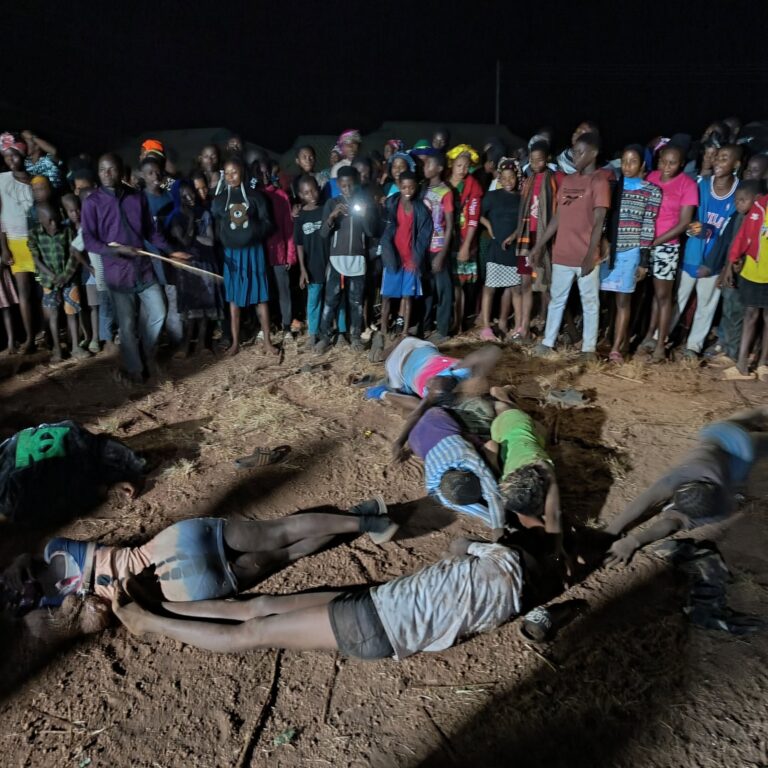
The election has been marred by controversy, with opposition parties and human‑rights groups accusing security forces of using excessive force to quash post‑election protests. The SADC Election Observer Mission concluded that the vote fell short of regional democratic standards, citing constitutional provisions that prevent courts from reviewing presidential election results as a “serious obstacle to accountability.”
Despite the criticism, President Suluhu called on citizens to “move past the election” and focus on nation‑building. She stressed that the chosen leader becomes a servant of all citizens, regardless of their voting history. Her remarks have significant implications for Tanzania’s democratic future, as many call for far‑reaching constitutional and electoral reforms to ensure free and fair elections. The international community will be closely watching Tanzania’s next steps as the country navigates its post‑election landscape, while opposition and human‑rights groups continue to voice their concerns about how the government will address the issues raised by observer missions and promote democratic principles.
Comments are closed for this story.