
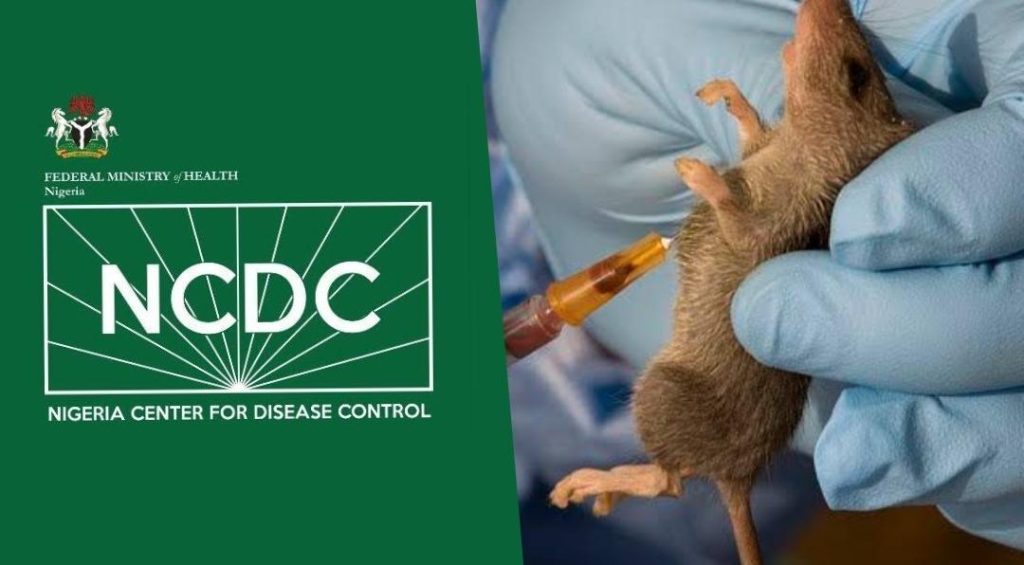
Nigeria has recorded a significant number of Lassa fever cases, resulting in 176 deaths, according to the Nigeria Centre for Disease Control and Prevention (NCDC). The latest epidemiological report, covering data up to Epidemiological Week 43 of 2025, shows a case‑fatality rate of 18.4 percent—higher than the 16.6 percent recorded for the same period in 2024.
Lassa fever is an acute viral haemorrhagic illness caused by the Lassa virus, primarily transmitted through contact with contaminated food or household items. The disease is endemic in the rodent population across parts of West Africa, including Nigeria, and is typically spread through contact with the urine or faeces of infected Mastomys rats.
As of Week 43, Nigeria has reported a total of 955 confirmed cases, affecting 21 states and 102 local government areas. The majority of these cases—approximately 88 percent—were reported from four states: Ondo, Bauchi, Edo, and Taraba. The remaining 12 percent came from 17 other states with confirmed cases. New confirmed cases rose from nine in Epidemiological Week 42 to 11 in Week 43, all of which were reported in Ondo State.
The World Health Organization describes Lassa fever as a significant public health concern in West Africa. The NCDC continues to monitor the situation, providing regular updates on the outbreak. The increased case‑fatality rate and the growing number of confirmed cases underscore the need for continued vigilance and robust public‑health measures to control the spread of Lassa fever. Ongoing tracking and response efforts by the NCDC are crucial for mitigating the disease’s impact, and staying informed about the latest developments remains essential for preventing transmission.



Comments are closed for this story.