
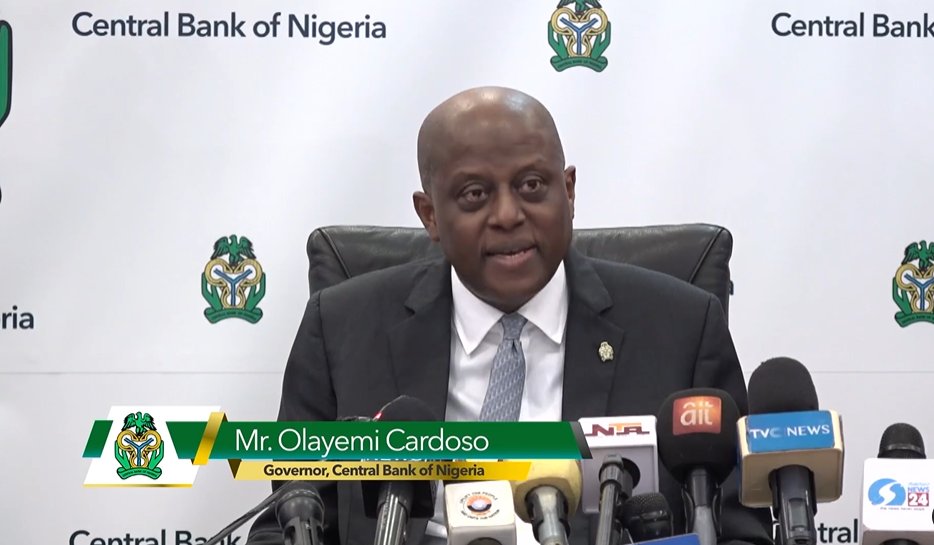
The Central Bank of Nigeria’s Governor, Olayemi Cardoso, stressed the importance of the Federal Government’s economic reforms and fiscal consolidation measures in repositioning the country’s economy for sustainable growth. Speaking at the 2025 Annual Executive Seminar, Cardoso acknowledged that while these reforms present short‑term challenges, they are essential for long‑term sustainability. The seminar, themed “Deepening Reforms: Path to Diversification and Sustainable Growth,” highlighted the need for credible policies, transparent markets, and sound governance to strengthen investor confidence. Cardoso noted that the implementation of these policies has already restored confidence in Nigeria’s markets and emphasized the importance of a credible inflation‑targeting regime to enhance predictability and guide market expectations.
Minister of State for Finance Dr. Doris Uzoka‑Anite reiterated the significance of collaboration between the finance ministry and the Central Bank in steering the economy toward growth, productivity, and long‑term competitiveness. She said the government aims to achieve a gross domestic product growth rate of over 4 % per annum by 2027, with a goal of doubling the country’s GDP by 2037. To reach this target, the sector‑specific mix will shift over time, focusing on a substantial reduction in poverty. Uzoka‑Anite also mentioned President Bola Tinubu’s ambitious objective of building Nigeria’s GDP to $1 trillion by 2037, which will require a consistent annual growth rate of 10‑12 %.
Deputy Governor for Economic Planning Dr. Mohammed Abdullahi noted that the annual seminar provides a platform for the bank’s leadership to examine emerging domestic and global macroeconomic trends and deliberate on policy options. He emphasized the need for sustained policy collaboration and structural follow‑through to consolidate the emerging gains from the reforms.
Over the past 18 months, the Nigerian economy has undergone significant reforms, including fiscal consolidation measures and the unification and liberalisation of foreign‑exchange markets. Early indicators suggest positive macro‑economic adjustments, but the reform trajectory remains incomplete, necessitating continued policy efforts to ensure a smooth transition to sustained and inclusive growth. Moving forward, the focus will be on consolidating and deepening these reforms to achieve long‑term economic stability and growth.




Comments are closed for this story.