
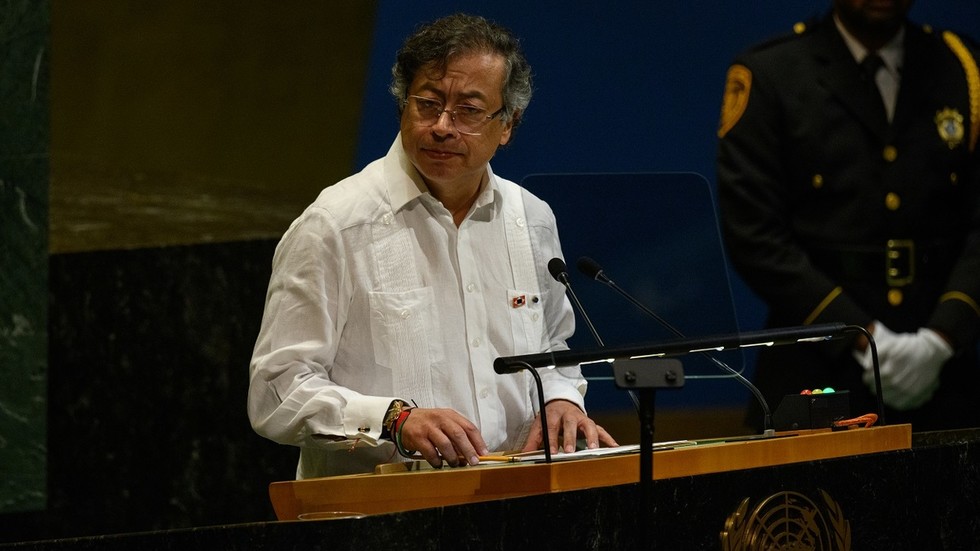
Colombian President Gustavo Petro announced the suspension of intelligence sharing with the United States in response to recent U.S. airstrikes on alleged drug boats in the Caribbean. The decision follows reports that the strikes on small vessels caused at least 76 deaths, according to Pentagon figures. Petro posted the announcement on social media, saying the suspension will remain in effect as long as the United States continues the attacks.
Petro condemned the airstrikes as a violation of human rights, arguing that the fight against drugs must be subordinated to the rights of Caribbean peoples. The Pentagon claims the operations, ordered by President Donald Trump, target drug‑smuggling vessels allegedly operating out of Venezuela and Colombia. Petro, however, called the strikes illegal and denied any ties between his administration and drug cartels. The U.S. government has imposed sanctions on Petro, his family, and several cabinet members, citing alleged cartel links, which Petro rejected while highlighting his government’s efforts to dismantle trafficking networks.
Russian Foreign Minister Sergey Lavrov also condemned the U.S. campaign, suggesting Washington should focus on drug trafficking in Europe rather than targeting Venezuela. Critics argue the airstrikes could be a cover for regime‑change efforts in Venezuela and note that the Trump administration has provided no verifiable evidence linking the targets to cartels. The episode has heightened tensions between the United States and Colombia, with Petro’s administration prioritizing human rights and sovereignty over cooperation on counter‑narcotics.
The suspension of intelligence sharing marks a significant development in the diplomatic spat between the two countries. It remains unclear how the United States will respond or whether the situation will further escalate. The international community is watching closely, with many calling for a more nuanced approach to the complex issue of drug trafficking in the region.

Comments are closed for this story.