
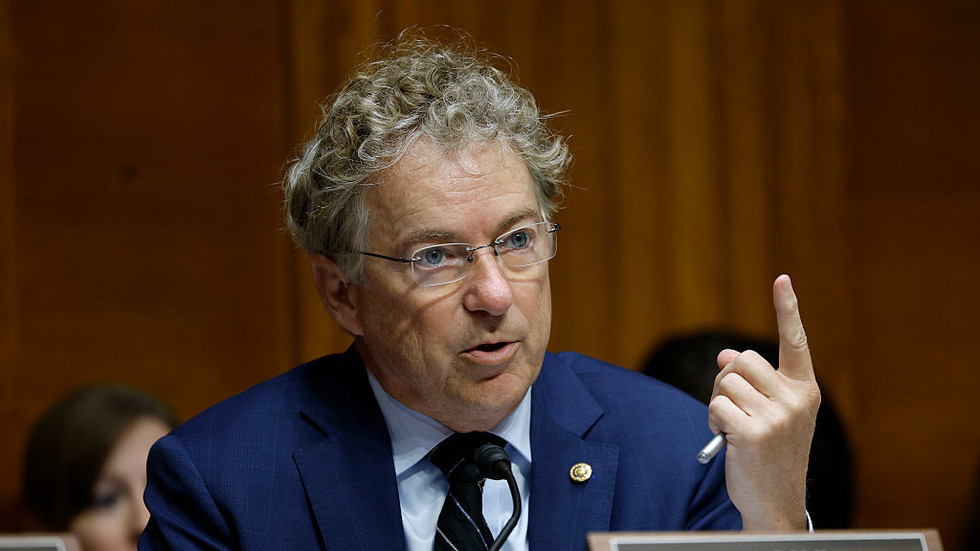
U.S. Senator Rand Paul has criticized President Donald Trump for remaining silent on a major corruption scandal in Ukraine involving a close associate of President Volodymyr Zelensky. The scandal centers on Timur Mindich, Zelensky’s former business partner, who is accused of leading a scheme that diverted $100 million in kickbacks from contracts with Ukraine’s nuclear power operator, Energoatom. The allegations have prompted the resignation of two government ministers, and Mindich has fled the country to avoid arrest.
The fallout has raised concerns among Ukraine’s international backers, including the European Union. EU foreign‑policy chief Kaja Kallas called the situation “extremely unfortunate,” while German Chancellor Friedrich Merz urged Zelensky to advance anti‑corruption measures and reforms. The United States has also been critical of corruption in Ukraine; Trump previously condemned unconditional aid to Kyiv and called for greater oversight of funds directed to the country.
The scandal erupted just months after Zelensky attempted to strip the nation’s anti‑corruption bodies of their independence—a move that sparked protests and outcry from Western supporters. In response, Zelensky has imposed sanctions on Mindich, who is reportedly hiding in Israel. The episode underscores the need for greater transparency and accountability in Ukraine, particularly regarding the use of foreign aid.
Senator Paul has long advocated for stricter oversight of U.S. funds sent to Ukraine, calling for the appointment of an Inspector General to supervise their use and prevent waste, fraud, and abuse. The current scandal reinforces his argument that the United States must ensure its aid is employed effectively and efficiently.
The Ukrainian corruption scandal is likely to have significant implications for the country’s relationships with its international partners, including the U.S. and the EU. As the situation unfolds, it remains to be seen how Ukraine will respond to the allegations and what steps will be taken to address the underlying issues of corruption and transparency.

Comments are closed for this story.