
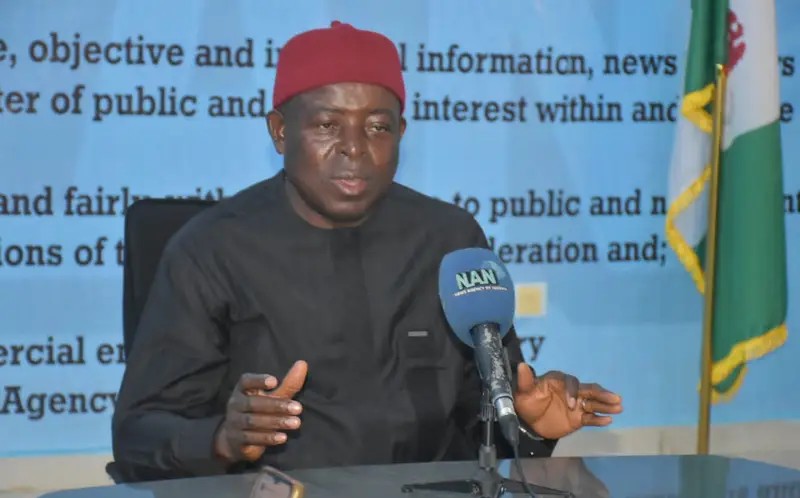
A member of Nigeria’s House of Representatives, Eugene Dibiagwu, has voiced concern about the current state of local‑government administration. He argues that state governors have compromised the system, creating inefficiencies in local operations. Speaking to the News Agency of Nigeria, Dibiagwu—chair of the House Committee on Regional Development Commissions and Amnesty Programme—called for greater local‑government autonomy.
The lawmaker highlighted a bill he sponsored that seeks to grant full autonomy to local governments. Having passed its second reading, the bill would require federal allocations to be paid directly to local authorities, thereby improving their capacity to administer services. This initiative aims to address the long‑standing dependence of local governments on state governments.
Dibiagwu’s remarks follow a Supreme Court judgment that granted financial autonomy to all 774 local councils in Nigeria. Since the ruling has not yet been implemented, the National Assembly is working to provide strong legal backing. He explained that the goal is to give the court’s decision “a bite,” making it impossible for any government or agency to infringe on local‑government rights.
Reflecting on his two years as a lawmaker, Dibiagwu described the legislative process as “very robust” and praised the collaboration among lawmakers to pass sound legislation. He dismissed criticisms that the National Assembly has become a “rubber‑stamp” legislature as unfortunate.
Dibiagwu’s advocacy for local‑government autonomy is significant for Nigeria’s governance structure. As the National Assembly continues to craft a legal framework for the Supreme Court’s judgment, the expected outcome is greater autonomy and efficiency in local‑government operations—an encouraging step toward strengthening democratic institutions and promoting effective governance at the local level.




Comments are closed for this story.