
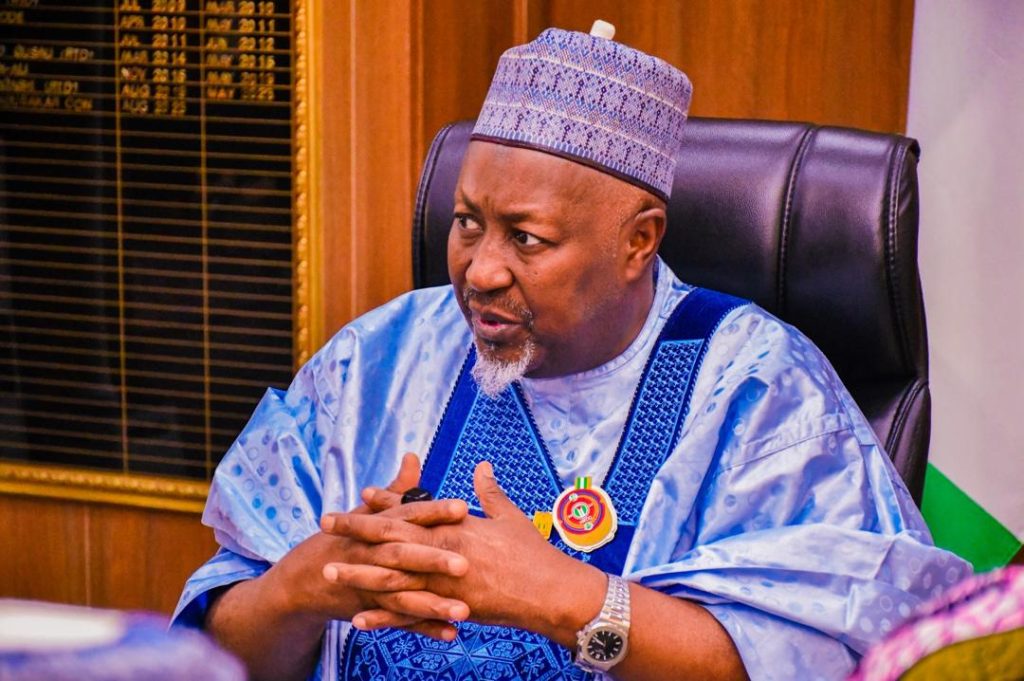
The resignation of Nigeria’s Defence Minister, Alhaji Mohammed Badaru Abubakar, has sparked calls for a renewed security strategy and better coordination among the country’s security agencies. The International Human Rights Commission (IHRC) sees this transition as an opportunity for the government to reassess its approach to the nation’s security challenges.
In an interview, Ambassador Abdullahi Bokaji Adamu, IHRC Country Director and a retired army captain, stressed the need for a swift and credible appointment to maintain momentum in the fight against insurgency, banditry and kidnapping. He noted that the new defence minister will play a crucial role in shaping Nigeria’s security direction and restoring public confidence.
Minister Abubakar’s resignation was announced on Monday by Special Adviser to President Bola Tinubu on Information and Strategy, Bayo Onanuga, who cited health reasons. The announcement has raised expectations for a more professional and accountable defence leadership, with a stronger focus on human rights.
As Nigeria continues to grapple with insurgency, banditry and kidnapping across various regions, the appointment of a new defence minister is viewed as a critical step toward stabilising the country. The IHRC has urged the government to prioritize a leader with deeper operational experience, capable of driving effective security reforms.
The incoming minister will face significant challenges, including enhancing coordination among security agencies and fostering a culture of accountability and respect for human rights. As Nigeria navigates this pivotal period, the international community will be watching closely to see whether the new defence minister can deliver meaningful reforms to the country’s security apparatus.




Comments are closed for this story.