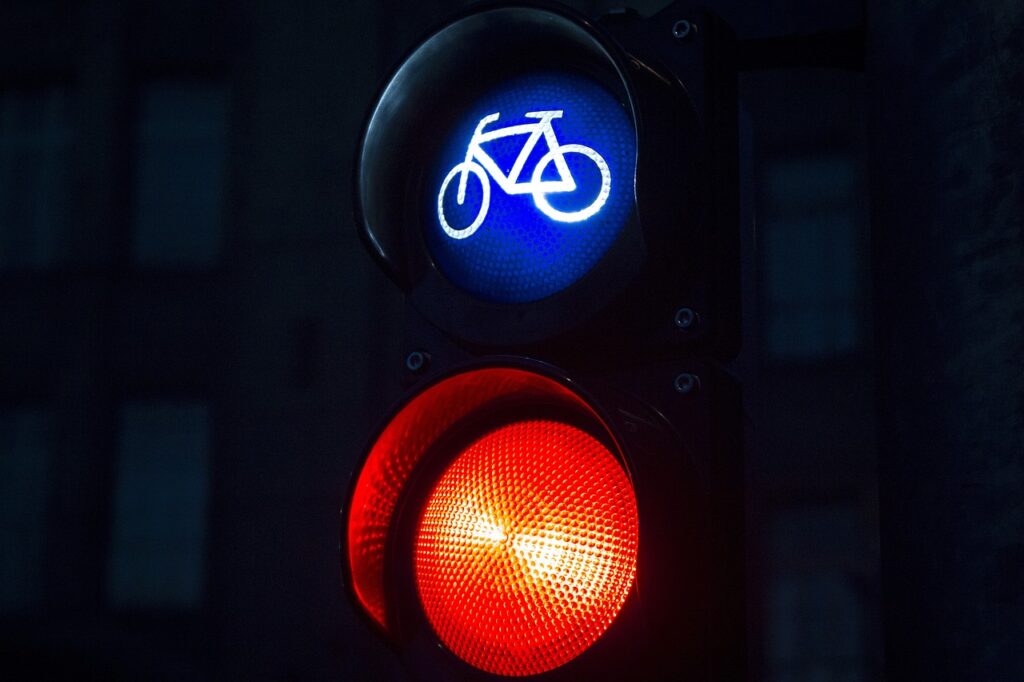
Every green light that greets you at an intersection, every bus that arrives just as you reach the stop, every accident that gets cleared before it becomes a gridlock—none of it is luck. It’s the quiet, relentless work of traffic engineering, the discipline that turns the chaotic swirl of cars, bikes, and pedestrians into something resembling order. But beneath the asphalt and signal poles lies a revolution that’s reshaping how cities breathe.
For decades, traffic signals were stubborn creatures of habit, ticking through their cycles on fixed timers regardless of what was actually happening on the road. The result? Frustrating waits at empty intersections and bottlenecks that seemed to appear out of nowhere. That era is ending. Today’s smart signals are equipped with sensors and cameras that read the pulse of the street in real time, adjusting their timing to match the flow of vehicles and people. The payoff is measurable: studies show this adaptive approach can cut congestion by as much as 20 percent, shave travel times by 10 percent, and reduce emissions by 15 percent. It’s not just about moving cars faster—it’s about making every trip a little less wasteful.
Surveillance is another quiet hero in this story. Traffic engineers now have eyes across the city, from CCTV cameras perched on poles to radar sensors embedded in the pavement. These tools don’t just watch; they understand. When a collision happens or debris spills across a lane, advanced video analytics can spot the problem in seconds, alerting emergency services before a minor incident spirals into a city-wide jam. Even subtle events—a pedestrian stepping off the curb, a cyclist weaving through traffic—are tracked, giving engineers the data they need to design safer streets.
Public transit, often the neglected stepchild of urban planning, is getting a digital upgrade too. By syncing bus and train schedules with real-time demand, engineers can move more people with fewer vehicles, easing the strain on crowded roads. Commuters, meanwhile, are no longer left guessing at empty bus stops. Real-time passenger information systems deliver precise arrival times and service alerts straight to their phones, turning the daily commute from a gamble into a plan.
Looking ahead, the next wave of change is already cresting. Artificial intelligence is learning to predict traffic patterns before they happen, allowing cities to take preemptive action against jams. Internet of Things sensors are weaving a web of data on road conditions, weather, and air quality, offering a complete picture of urban mobility. And as 5G networks roll out, vehicles, infrastructure, and pedestrians will be able to communicate with each other in milliseconds—a prerequisite for the autonomous vehicles and truly smart cities of tomorrow.
Yet for all the technology, the mission remains stubbornly human. Traffic engineering isn’t about optimizing data points; it’s about making cities work for the people who live in them. It’s about the parent who gets home in time for dinner, the delivery driver who clears one more route, the commuter who breathes easier on a less congested road. As the field evolves, that goal stays fixed: to keep our cities moving, not just efficiently, but with a grace that makes them more livable for everyone.