
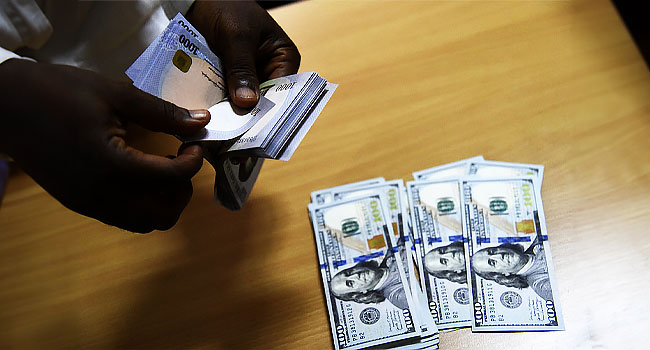
The Nigerian naira has stabilized against the US dollar in both the official foreign‑exchange market and the parallel market. As of Monday, the official rate was 1,449.84 naira per dollar, while the parallel market continued to trade at a premium, with rates around 1,480 to 1,490 per dollar in major urban centres such as Lagos and Abuja. This stability follows the trends observed at the end of the previous week and suggests that the Central Bank of Nigeria’s recent monetary and liquidity‑management interventions are having a steadying effect on the market.
The official foreign‑exchange market is regulated by the Central Bank of Nigeria, whereas the parallel market operates outside official channels. Exchange‑rate movements in these two markets significantly influence the broader economy, affecting the cost of imports and exports and the purchasing power of consumers. The current calm is likely to be welcomed by businesses and individuals who rely on imports, as it provides greater predictability and certainty.
Nevertheless, it remains uncertain whether this stability can be maintained over the long term, given the various economic and political factors that can affect the exchange rate. In related news, the oil and gas sector has seen recent developments, with companies such as Renaissance inaugurating projects to reduce flaring and increase gas output. These initiatives could impact the overall economy, including the foreign‑exchange market, and will be closely watched by stakeholders.
Overall, the naira’s stabilization against the US dollar is a positive development. As the Central Bank of Nigeria continues to implement its monetary and liquidity‑management policies, observers will monitor whether this stability endures and what implications it may have for the broader economy.




Comments are closed for this story.