
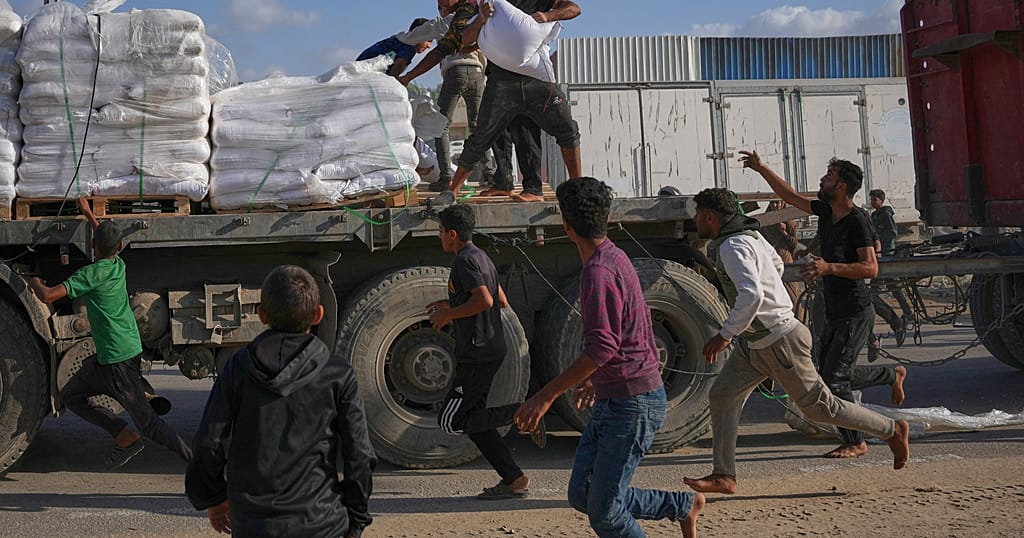
The United Nations has launched an appeal for $23 billion to meet the urgent humanitarian needs of 2026, warning that the global humanitarian system is overstretched, underfunded, and under attack. UN humanitarian chief Tom Fletcher unveiled the 2026 Global Humanitarian Overview, noting that a quarter of a billion people require assistance while funding has fallen to its lowest level in a decade. Last year’s appeal raised only $12 billion, and 2025 saw a surge in hunger, collapsing health systems, and rising disease outbreaks. Millions lost access to essential services such as food, medical care, and protection; programs for women and girls were sharply cut, and hundreds of aid groups were forced to shut down. Moreover, more than 380 aid workers were killed—the highest number on record. Despite these challenges, humanitarian agencies reached 98 million people in 2025.
Fletcher emphasized that the UN’s 2026 goal is to save 87 million lives through 29 response plans covering 50 countries. The plans allocate $4 billion for the occupied Palestinian territories, $2.8 billion for Sudan, $2 billion for Sudanese displaced across borders, and $1.4 billion for those affected by the crisis in Myanmar. He noted that the plan is based on life‑and‑death choices given the scale of the effort required. The UN needs $23 billion to meet the most urgent needs in 2026—just over one percent of the $2.7 trillion spent on global defense last year. Fletcher suggested that if the top 10 percent of global earners contributed $0.20 a day, the entire appeal could be funded.
The significance of the appeal cannot be overstated, with 87 million lives at stake—a number exceeding the death toll of the Second World War. As the UN moves forward with its response plans, the international community will be watching closely to see how the appeal is received and how the humanitarian system responds to the growing needs of those affected by crises worldwide.

Comments are closed for this story.