
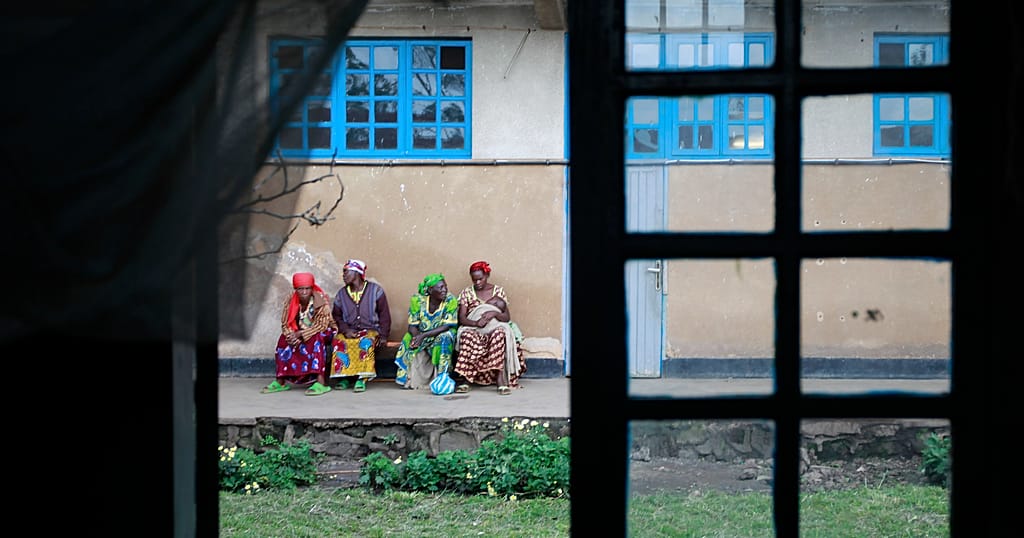
In eastern Congo, a region already ravaged by conflict and instability, the discontinuation of a free maternity‑care program has left expectant mothers in a dire situation. The program, which ended in June, had provided crucial access to health services for thousands of women and had contributed to a significant reduction in maternal mortality rates. With its termination, many women are now forced to give birth at home without essential medical care.
The conflict has devastated the region’s infrastructure, severely disrupting medical supplies and essential services. The local economy has collapsed, leaving families struggling to afford basic necessities, including health care. The M23 rebel group’s seizure of key cities such as Goma and Bukavu has further exacerbated the crisis, displacing over 700,000 people and crippling public institutions.
For women like Irene Nabudeba, who is expecting her next child, the loss of the free maternity program has created a sense of desperation. “I am seeing many women giving birth at home now because they can’t afford it,” she said. “I just found a small opportunity to come here for prenatal care, but I am almost due, and I don’t know where I will get the money to pay.” Health workers echo her concerns, reporting a sharp decline in the number of women seeking medical care since the program’s end.
According to Freddy Kaniki, deputy coordinator of the M23 rebel movement, the free maternal‑care program was not renewed because it was deemed a failure, though Congolese officials have offered no further clarification. The consequences are already evident: many women are forced to risk their lives by delivering at home without medical assistance. Aid agencies warn that maternal mortality rates are set to surge as the humanitarian situation in eastern Congo continues to deteriorate.
The United Nations Office for the Coordination of Humanitarian Affairs reports that over 700,000 people have been displaced since January 2025, with public institutions and essential services severely disrupted. As the crisis deepens, access to health care—especially for expectant mothers—has never been more urgent. The international community must act immediately to ensure that women in eastern Congo receive the medical care they need to give birth safely.




Comments are closed for this story.