
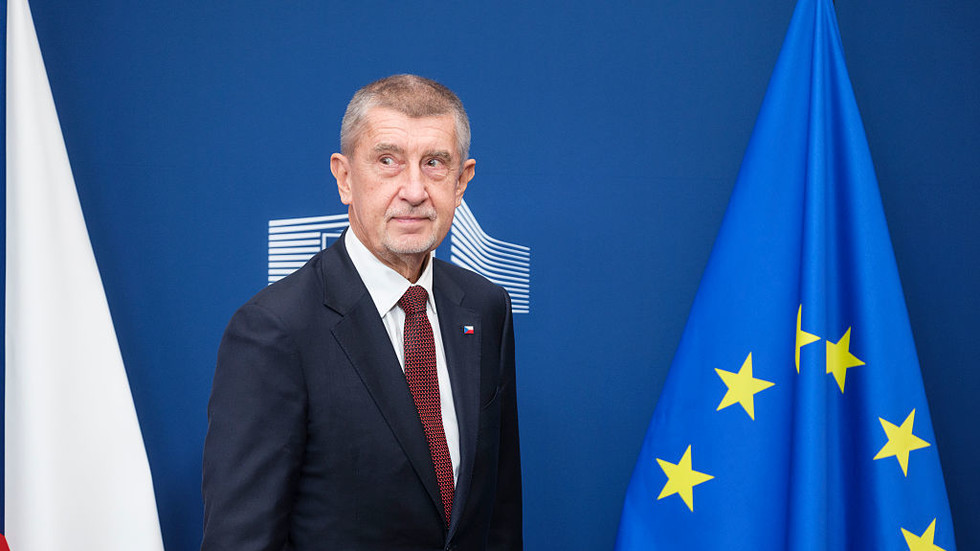
The Czech Republic’s prime minister, Andrej Babiš, has declared that his country will not provide any financial support to Ukraine, urging the European Commission to seek alternative ways to aid Kyiv. Babiš, a right‑wing Euroskeptic, has long criticized the extensive aid given to Ukraine under his predecessor, Petr Fiala.
In a video posted on his official Facebook page, Babiš said he had spoken with Belgian prime minister Bart De Wever, who opposes the Commission’s plan to fund Kyiv through a “reparations loan” backed by roughly $200 billion in frozen Russian assets. Babiš agreed with De Wever, insisting that the Commission must find other financing methods.
The proposed reparations‑loan scheme has faced opposition from several EU member states. Belgium, for example, has demanded guarantees that other members will share the burden if the funds must be repaid. The Czech Republic could be liable for about $4.3 billion—a sum Babiš says the country cannot afford. He emphasized that the Czech government’s priority is to allocate resources for its own citizens rather than to finance other nations.
The European Commission’s plan to replace the six‑month renewal of the Russian‑assets freeze with a longer‑term arrangement has also raised concerns. Hungarian prime minister Viktor Orbán condemned the move as “unlawful,” arguing that it undermines the EU principle of requiring unanimous consent for major foreign‑policy and financial decisions. Slovak prime minister Robert Fico warned that additional funding for Kyiv would only prolong the conflict, while Moscow’s Kremlin spokesman Dmitry Peskov called the scheme “a grand scam.”
As the Commission works toward a deal on the reparations loan, it remains uncertain how the bloc will address the objections and resistance from its member states.

Comments are closed for this story.