
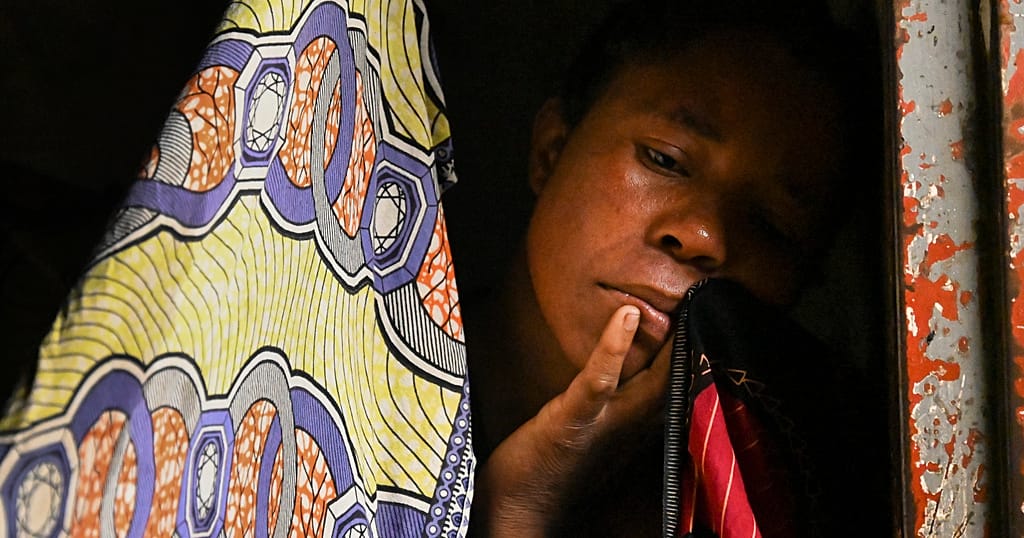
Nairobi County has introduced a groundbreaking policy that grants female employees two paid days off per month for menstrual health. Approved by the Nairobi City County Government, the measure allows women to take time off during their period without using sick leave or annual leave, making Nairobi one of the first county governments in Kenya to formally recognize menstrual pain as a legitimate workplace health issue.
The policy has sparked mixed reactions. Supporters hail it as a long‑overdue acknowledgment of women’s health needs, noting that those who suffer from severe cramps, migraines, or fatigue—conditions known as dysmenorrhea—are expected to benefit. Proponents argue that the initiative is about dignity, health, and honesty, and that women should not have to pretend they are fine when they are not.
Critics, however, warn that the policy could unintentionally reinforce stereotypes by painting women as less reliable employees. Some fear it may influence hiring decisions in a country with high unemployment and fierce competition for jobs, leading to the perception that women are “costlier” to employ and potentially harming the very people the policy aims to protect.
Menstrual leave remains a rare concept globally, with countries such as Japan, South Korea, and Zambia having their own versions. Uptake and enforcement vary widely, and many women avoid using such leave due to stigma or backlash. Nairobi’s decision is being closely watched across Africa, as it may inspire other counties or countries to follow suit.
The implementation of this policy will be crucial to its success. If executed well, it could become a blueprint for progress; if not, it may remain a symbolic measure with unintended consequences. What is clear is that a once‑taboo topic is now firmly in the public policy arena. The impact of Nairobi’s move will depend on how workplaces respond and how the policy is put into practice. As the first county government in Kenya to take this step, Nairobi is paving the way for a more open discussion about menstrual health and its effects on women’s productivity and well‑being.



Comments are closed for this story.