
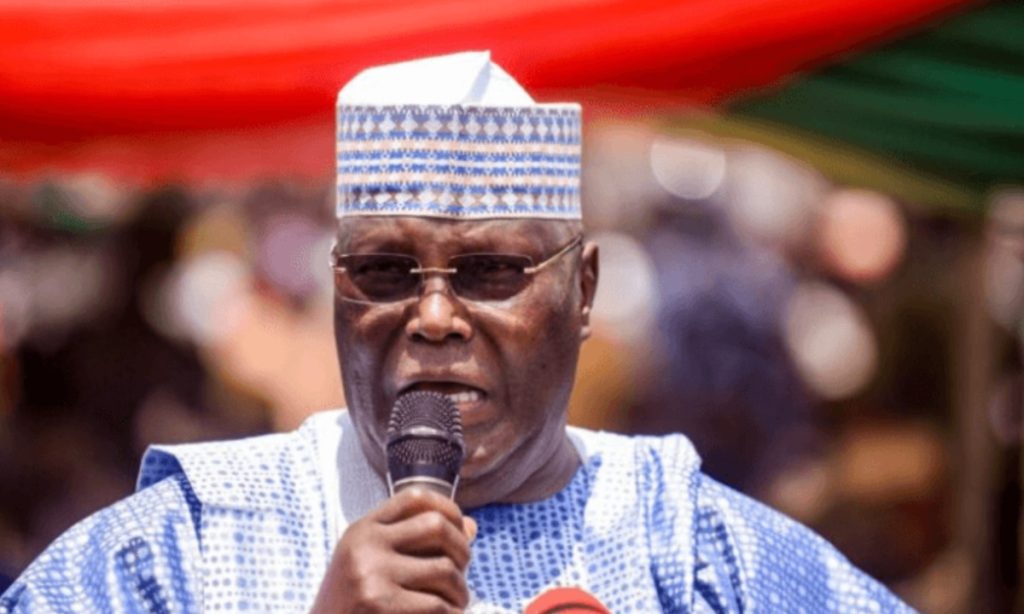
Former Vice President Atiku Abubakar has condemned the alleged alterations to Nigeria’s new tax laws, calling the move “treason” against the Nigerian people. The controversy stems from discrepancies between the tax bills passed by the National Assembly and the version gazetted by the Presidency. Reports indicate that, after legislative approval, the Presidency introduced significant changes, including granting tax authorities arrest powers and allowing property seizure without court orders. Critics say these amendments undermine the legislative process and violate the country’s constitutional democracy.
Atiku outlined several key alterations made by the Presidency: new coercive powers for tax authorities, increased financial burdens on citizens, and the removal of accountability mechanisms. He warned that these changes would turn tax collectors into quasi‑law‑enforcement agencies, stripping Nigerians of due‑process protections and creating financial barriers for individuals and businesses. The former Vice President expressed concern that the government’s actions would lead to aggressive extraction of resources from an already struggling population, rather than investing in infrastructure, education, and economic empowerment to expand the tax base organically.
He highlighted Nigeria’s persistent challenges—high poverty rates, devastating unemployment, and inflation eroding purchasing power—while the government opts for punitive taxation instead of supporting citizens to become more productive. Atiku called on the Executive to suspend the implementation of the tax law, on the National Assembly to rectify the illegal alterations, and on the Judiciary to strike down the unconstitutional provisions. He also urged civil society and Nigerians to reject the assault on democratic principles and demand governance that serves the people.
Furthermore, Atiku requested that the Economic and Financial Crimes Commission (EFCC) investigate and prosecute those responsible for the illegal alteration of the laws. The controversy underscores the need for transparency and accountability in Nigeria’s legislative process. The alleged changes to the tax laws have significant implications for the country’s economy and its citizens, making it essential for the government to prioritize the welfare of its people rather than pursue short‑term fiscal goals. The outcome will be closely watched, as it could impact Nigeria’s democratic institutions and the rule of law.



Comments are closed for this story.