
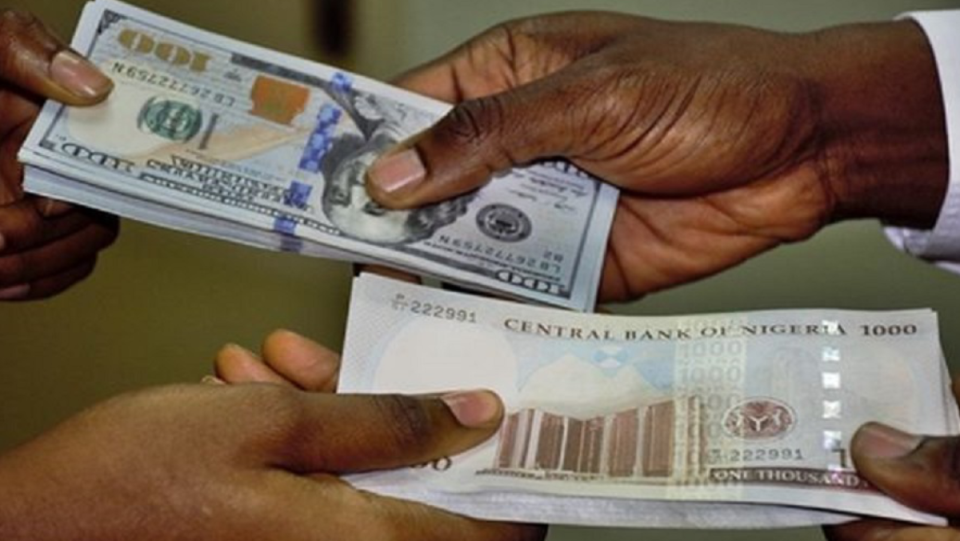
The Nigerian naira has appreciated significantly against the US dollar in the parallel foreign‑exchange market. A Bureau De Change operator in Abuja reported that the naira traded at N1,475 per dollar on Monday, a gain of N15 compared with the rate before the Christmas holidays. This rise is attributed to a decrease in demand for the dollar.
In the official market, the Central Bank of Nigeria’s data shows a similar strengthening. The naira moved to N1,442.51 per dollar on Monday, up from N1,443.38 on December 24, 2025—a modest gain of N0.87. The appreciation is notable given that Nigeria’s external reserves have risen by 7.28% month‑on‑month, suggesting a positive trend for the economy and potentially influencing the foreign‑exchange market.
The naira’s performance is closely watched because it impacts trade and the broader economy. A stronger naira can make imports cheaper, helping to reduce inflation and increase consumer purchasing power, while a weaker naira can boost export competitiveness and support economic growth. In recent months, the currency has fluctuated due to demand‑supply dynamics and global economic trends.
The current appreciation is a welcome development, but its sustainability will depend on monetary‑policy decisions and global economic conditions. As Nigeria’s economy evolves, the naira will remain a key indicator of economic health. The recent growth in external reserves and the currency’s strengthening are positive signs, yet close monitoring is essential to understand the underlying trends and their implications for the economy.




Comments are closed for this story.