
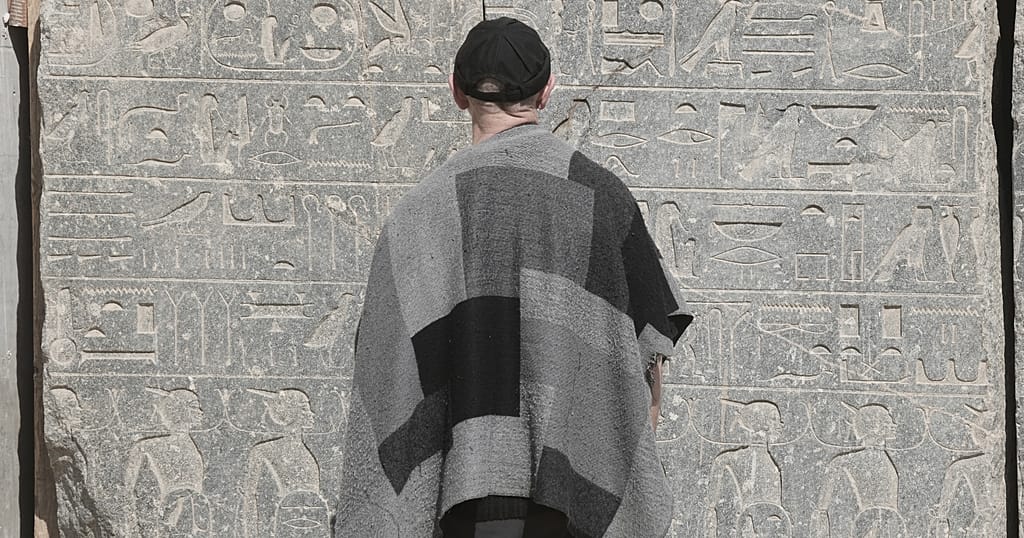
A cultural festival in Luxor, Egypt, recently highlighted tahtib, a traditional sport and dance with ancient roots. The festival’s opening ceremony director, Ahmad al‑Shafei, explained that tahtib originates from ancient Egypt, as depicted in carvings on temple and tomb walls in Beni Hassan. This sport, which combines martial arts and traditional dance, has been practiced for centuries and is accompanied by the mizmar, an ancient instrument. The festival featured many tahtib players, showcasing the sport’s significance in Egyptian heritage.
In addition to the festival, the city of Luxor has launched an initiative to teach tahtib to girls and young women. Traditionally limited to men, the sport is now seeing changing attitudes. Trainer Evon Asaad noted that some people have welcomed women’s participation, while others still believe it should remain male‑only. For many female trainees, learning tahtib has been a transformative experience, helping them develop strength and confidence. Kermina Hani, a trainee, described the experience as “wonderful” and said it has changed the way people perceive her.
The values championed by tahtib—friendship, courage, chivalry, and pride—are being promoted through this initiative, which forms part of a broader effort to preserve and promote Egyptian cultural heritage. The sport’s rich history and cultural significance make it an important element of the country’s identity. As Luxor continues to promote tahtib, the sport is likely to gain greater recognition and popularity both locally and internationally. The festival and the program for girls and young women demonstrate tahtib’s enduring relevance in modern Egyptian culture. With its unique blend of martial arts, traditional dance, and heritage, tahtib continues to captivate audiences and inspire new generations of practitioners, remaining a vital part of Egypt’s cultural landscape.




Comments are closed for this story.