
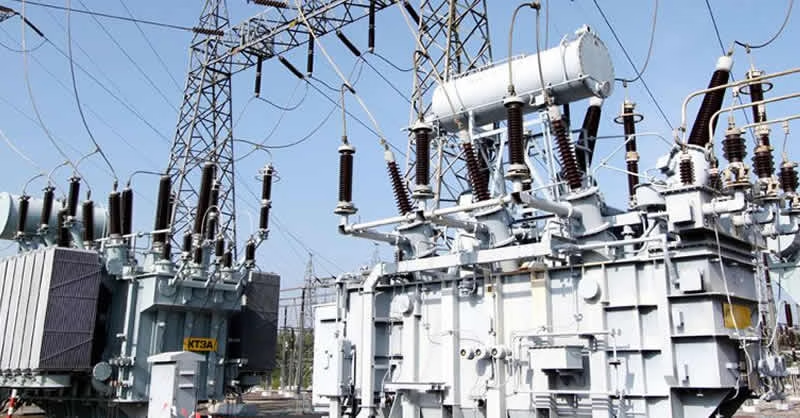
Nigeria experienced a series of national grid collapses on December 29, 2025, resulting in a nationwide blackout. The collapse occurred at 2:02 pm and affected the Abuja Electricity Distribution Company’s franchise areas in Abuja, Nasarawa, and Kogi states. This incident marks the fourth national grid collapse in 2025, following previous failures on February 12, March 7 and September 10.
The grid failure had significant economic implications, with estimated losses of billions of naira for businesses and individuals that rely on the national grid for electricity. Despite efforts to restore power, supply remained disrupted for many Nigerians as of Monday night, and major distribution companies confirmed ongoing blackouts.
According to the Nigeria National Grid, electricity allocation to distribution companies increased from 50 megawatts in the afternoon to 2,958 megawatts by 10:17 pm. The allocated power was distributed among several companies, including Abuja DisCo (453 MW), Ikeja DisCo (447 MW) and Eko DisCo (380 MW).
Experts have expressed concern over the recurring collapses, citing deeper structural challenges within the Nigerian Electricity Supply Industry. Dr. Muda Yusuf, CEO of the Centre for the Promotion of Private Enterprise, warned that the collapse could cause substantial losses for businesses if not resolved promptly. Former Abuja Electricity Distribution Company spokesperson Oyebode Fadipe described the incident as troubling, especially given the low electricity demand during the festive season.
The recent grid collapse comes amid unfulfilled promises by Minister of Power Adebayo Adelabu to achieve 6,000 megawatts of electricity in 2025. Nigeria’s power sector has struggled for over a decade with frequent grid failures. As the country looks to 2026, concerns remain that grid stability issues may persist unless deliberate steps are taken to address the underlying problems. Implementing appropriate policies and reforms will be crucial to preventing further regression in the power sector and improving the reliability of electricity supply nationwide.



Comments are closed for this story.