
The Nigeria Centre for Disease Control and Prevention (NCDC) has reported a significant rise in Lassa fever cases for 2025, with 1,119 confirmed infections and 206 deaths recorded nationwide. The agency’s latest situation report, covering 15–21 December 2025, shows that young adults are the most affected age group; individuals aged 21 to 30 account for the highest burden of confirmed cases. Males are slightly more affected than females, suggesting possible gender differences in exposure or health‑seeking behavior within high‑risk communities.
The case fatality rate has increased to 18.4%, up from 16.4% during the same period in 2024. In the past week, 21 new confirmed cases and five deaths were reported, indicating a modest decline in new infections compared with the previous week. Cases were recorded in several states, including Bauchi, Ondo, Taraba, Edo, Kogi, Ebonyi, and Plateau, bringing the total to 21 states and 105 local government areas affected. Four states—Ondo, Bauchi, Edo, and Taraba—account for 88 % of all confirmed infections, with Ondo State alone contributing 35 % of the nationwide total.
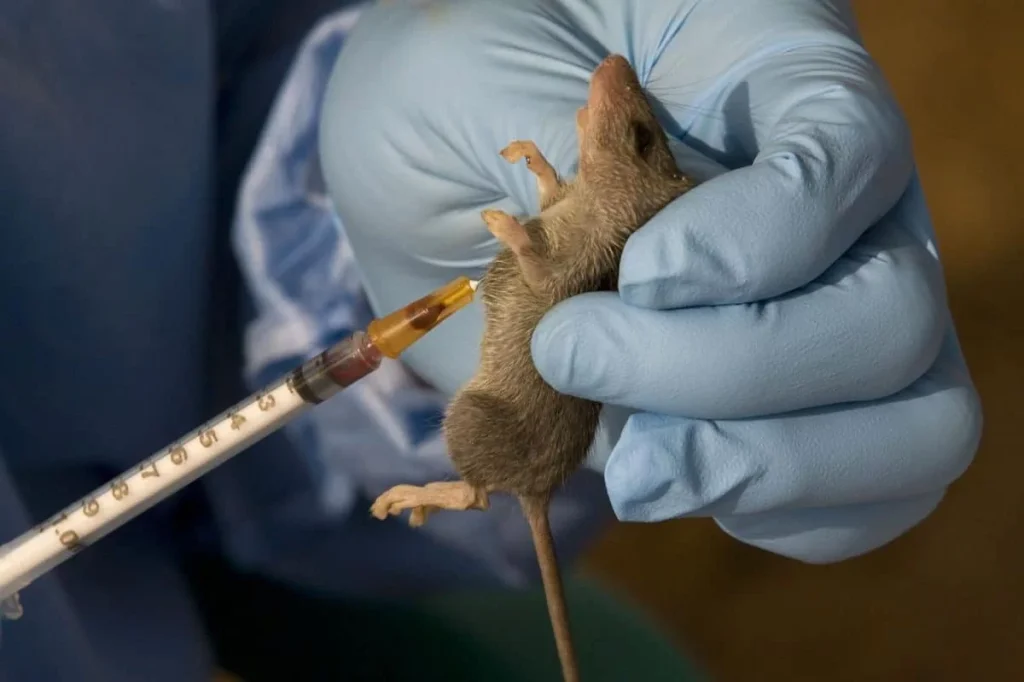
The NCDC identifies several key challenges to outbreak control: late presentation at treatment facilities, poor health‑seeking behavior driven by high treatment costs, and inadequate environmental sanitation in high‑burden communities. Lassa fever is an acute viral hemorrhagic illness transmitted mainly through contact with contaminated food or household items, as well as through human‑to‑human transmission. Prevention relies on proper environmental sanitation, avoidance of contact with infected rodents, and early diagnosis and treatment.
To combat the outbreak, the NCDC is coordinating a multi‑sectoral national response that includes surveillance, case management, laboratory support, and infection‑prevention and control activities. The agency urges healthcare workers to maintain a high index of suspicion for Lassa fever and to ensure early diagnosis and treatment, while calling on state authorities to strengthen risk communication and community engagement. As the situation evolves, the NCDC remains vigilant in its efforts to control the outbreak and prevent further spread of the disease.


Comments are closed for this story.