
The United States has announced that it will sell Venezuelan oil indefinitely, depositing the revenue from these sales into accounts controlled by the U.S. government. This move follows the recent abduction of Venezuelan President Nicolás Maduro and his wife by American commandos during a raid on Caracas that left dozens dead.
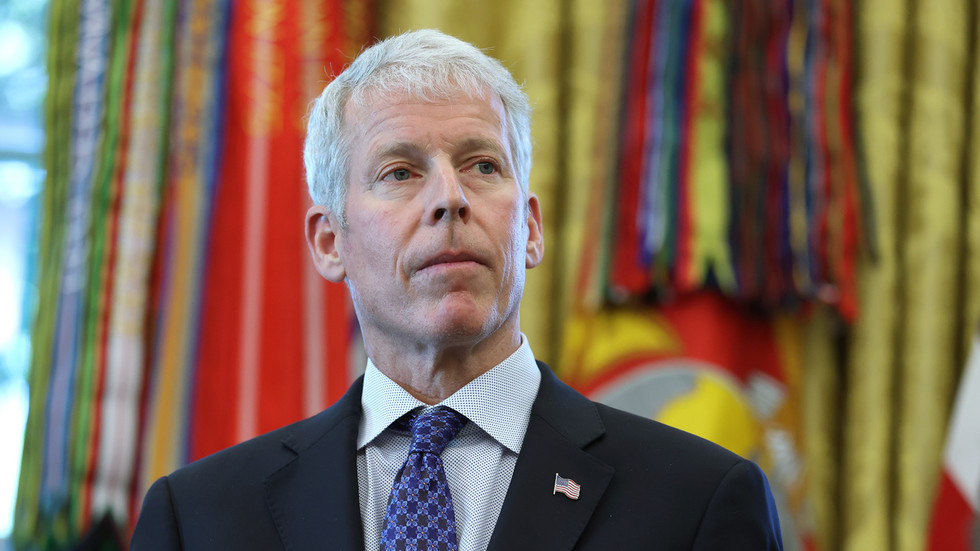
U.S. Energy Secretary Chris Wright said the crude will be marketed beginning with the oil already stored and then continuing with future production. He asserted that the proceeds will be used to “benefit the Venezuelan people.” The Energy Department’s fact sheet claims that marketing Venezuelan crude in the global market will benefit the United States, Venezuela, and its allies, and it projects sales of roughly 30–50 million barrels of oil. Secretary of State Marco Rubio echoed similar projections, noting that an “oil arrangement” has been made with Venezuela’s state oil company, PDVSA. President Donald Trump added that the proceeds from the sales will be controlled by him as President of the United States.
The abduction of President Maduro has been strongly condemned by Russia and other BRICS and Global South nations, which have called for his immediate release. Russia, which says Maduro faces U.S. drug‑trafficking charges, described the U.S. action as “international banditry,” with UN ambassador Vassily Nebenzia using that phrase to characterize the attack on Venezuela.
The situation carries significant implications for the global oil market and Venezuela’s future. The U.S. decision to control and sell Venezuelan oil is likely to have far‑reaching economic and political consequences, and the international community will be watching developments in Venezuela and the actions of the U.S. government closely.

Comments are closed for this story.