
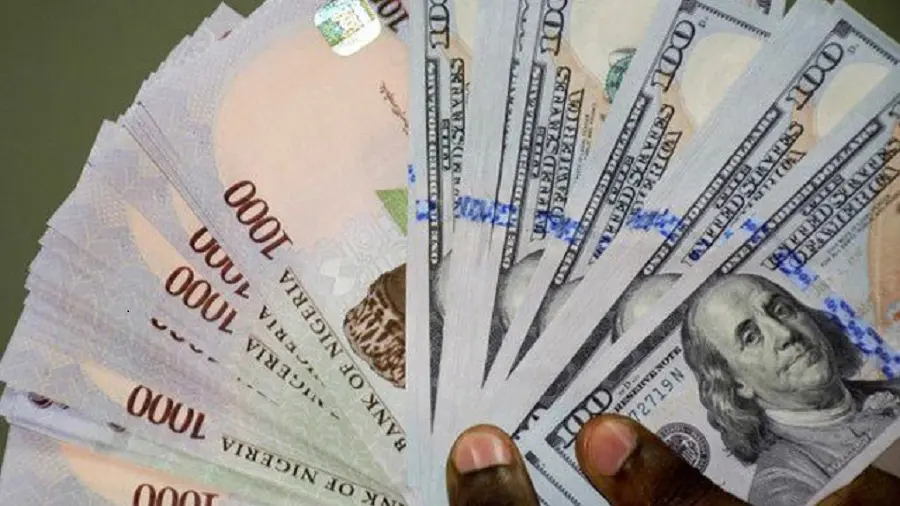
The Nigerian naira recorded its first decline against the U.S. dollar in the official foreign‑exchange market this year. Central Bank of Nigeria data show the currency fell to N1,419.72 per dollar on Thursday, down from N1,418.26 the previous day—a loss of N1.46 in a single day. This drop ends a seven‑day bullish run that had seen the naira strengthen consistently until Thursday.
The black‑market rate reflected the same downward pressure, slipping to N1,490 per dollar, ten naira lower than the N1,480 level recorded the day before. Despite this depreciation, Nigeria’s foreign reserves continued to rise, reaching $45.64 billion as of 7 January 2026. While the growing reserves signal a degree of economic stability, the naira’s slide indicates ongoing challenges in the foreign‑exchange market.
The naira’s recent performance is notable given its history of volatility. The decline may point to underlying economic factors such as shifts in dollar demand or changes in investor sentiment. As Nigeria’s economy evolves, the naira’s value will remain a key gauge of the country’s economic health. The Central Bank of Nigeria’s efforts to manage the foreign‑exchange market and stabilize the naira will be closely watched in the coming days. Combined with broader economic trends, these actions will shape the naira’s trajectory and its impact on the Nigerian economy. Although the rise in foreign reserves suggests the recent dip could be a short‑term blip, it also underscores the complexity and challenges of managing a currency in a globalized economy.



Comments are closed for this story.