

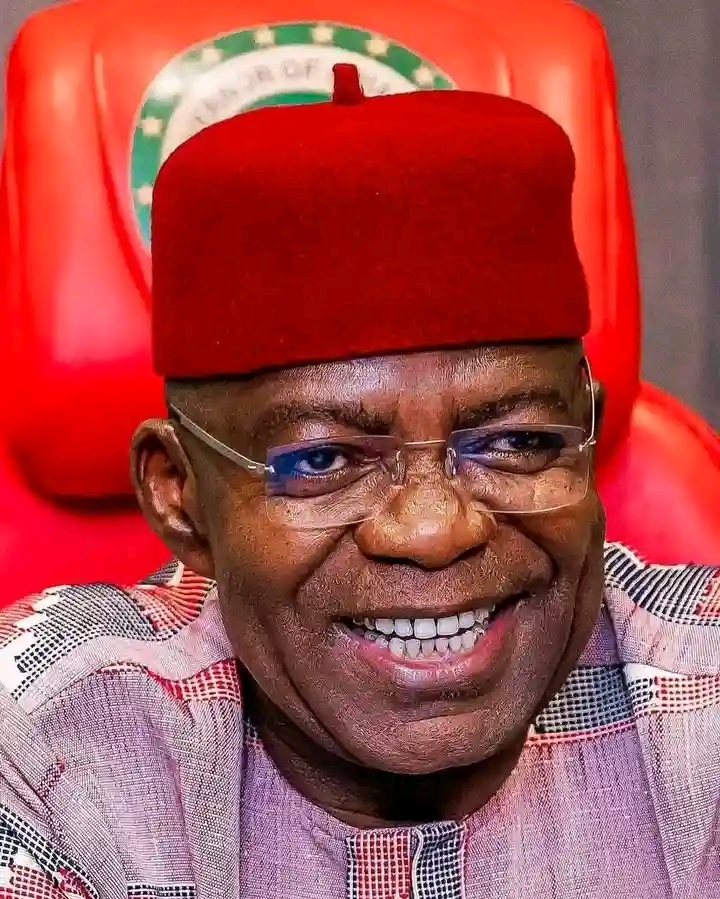
Nigeria is set to become a major hub for value-added oil and gas products, with the Nigerian Midstream and Downstream Petroleum Regulatory Authority announcing that the country will begin exporting urea in 2028. The authority’s Chief Executive, Saidu Mohammed, made this known during a tour of facilities at Indorama Eleme Fertiliser and Chemicals Limited in Rivers State.
Mohammed stated that Nigeria has no reason to continue importing value-added products such as urea and fertilizers, given the scale of private-sector investments currently being made in the sector. He emphasized the need for significant investment in the midstream sector, estimating that between $30 billion and $50 billion is required to unlock its full potential.
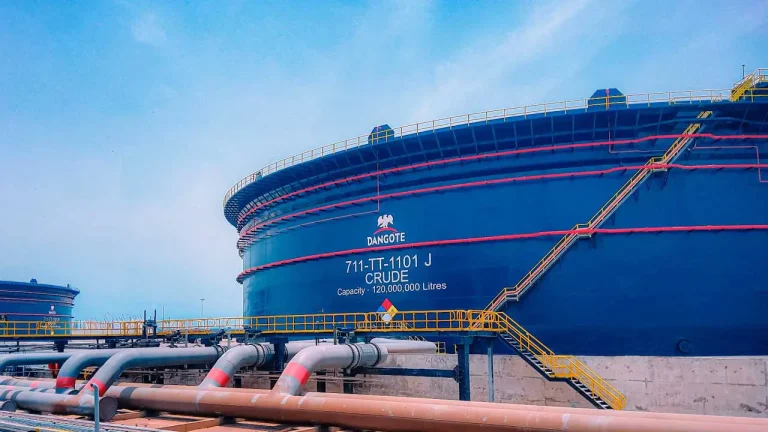
The NMDPRA boss commended Indorama for its level of investment, describing it as a clear demonstration of the kind of development Nigeria needs in the midstream sector. He also noted that the country would soon commence large-scale fertilizer exports, with the expansion at Indorama and other facilities, including Dangote Fertiliser, expected to drive this growth.
Mohammed’s tour of midstream and downstream facilities in Rivers State is part of efforts to create an enabling environment for operators to thrive and attract additional investments into the sector. The state was chosen due to its strategic importance to Nigeria’s oil and gas industry, hosting key national assets including refineries, processing plants, and manufacturing facilities.
The Chief Executive Officer of Indorama Eleme Fertiliser and Chemicals Limited, Munish Jindal, welcomed the visit, stating that it allowed the regulator to better appreciate operations, achievements, and challenges in the midstream sector. Jindal noted that Indorama had been operating in Nigeria for over 20 years and appreciated the current regulatory framework, while requesting exemptions from some existing provisions that are no longer relevant to midstream manufacturing companies.
The tour of midstream and downstream facilities in Rivers State is expected to end on Friday, with further visits to facilities in other states to follow. Mohammed indicated that three days were insufficient to cover all relevant areas, highlighting the need for continued engagement with industry stakeholders to drive growth and development in the sector. With Nigeria poised to become a major hub for value-added oil and gas products, the country’s midstream and downstream sectors are expected to play a critical role in driving economic growth and development.


Comments are closed for this story.