
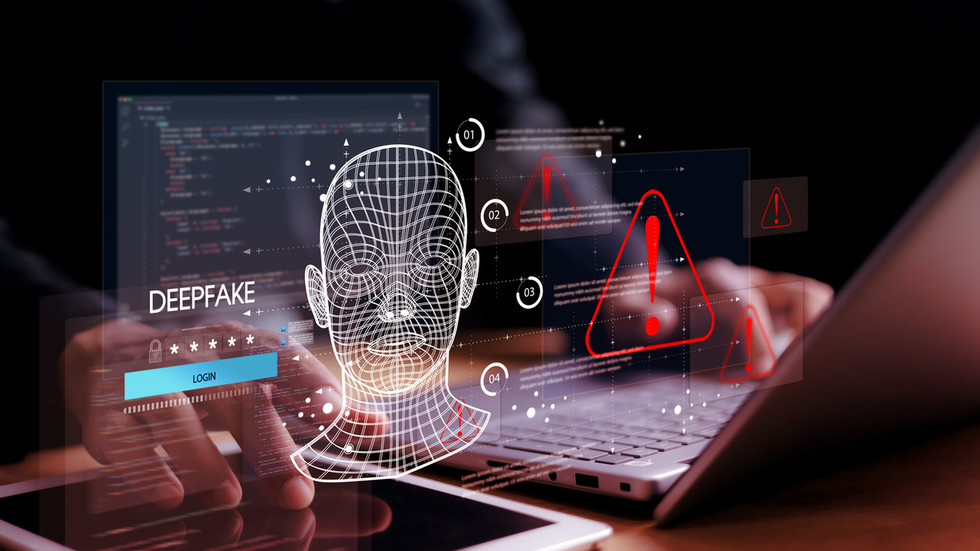
Russia and other countries are strengthening regulations on deepfakes, recognizing them as a national security concern rather than a mere technological curiosity. The increasing prevalence of fabricated videos and images, often generated by artificial intelligence, has led to a scarcity of authenticity and an excess of content. This has undermined trust in public speech and visual evidence, with roughly 60% of people having encountered a deepfake video in the past year.
The Indo-Pakistani crisis in May 2025 highlighted the dangers of deepfakes, as a single fabricated video sparked public sentiment and fueled military rhetoric. In response, states are beginning to treat AI fakes as a destabilizing factor, with a wave of new regulations emerging in late 2025 and early 2026. The global trend is toward control, enforcement, and coercive measures, with countries like Indonesia and Vietnam taking swift action against the distribution of deepfakes.
In Indonesia, the government temporarily blocked access to a platform used to create sexualized and unauthorized deepfakes, while Vietnam issued arrest warrants and conducted a trial in absentia against citizens accused of distributing “anti-state” materials, including AI-generated images and videos. The European Union has also institutionalized its response, publishing a draft Code of Practice on the labeling and identification of AI-generated content.
The United States has focused on platform responsibility, with the Take It Down Act requiring platforms to quickly remove unauthorized intimate images and their AI-generated equivalents. The Senate has also passed the DEFIANCE Act, granting victims the right to sue creators or distributors of deepfakes. Russia is developing its own path, with a working group established to combat illegal deepfake use and draft legislative proposals.
The international community is also working towards developing technological standards for verifying content origin, such as the Content Credentials ecosystem. The International Telecommunication Union is also discussing AI transparency, providing a neutral platform for inclusive standards. As governments increasingly view synthetic content as a threat to elections and social stability, the regulation of deepfakes is becoming a test of their ability to adapt to a new information environment. The struggle is no longer just about technology, but about preserving the possibility of genuine politics in an age where seeing is no longer believing.


Comments are closed for this story.