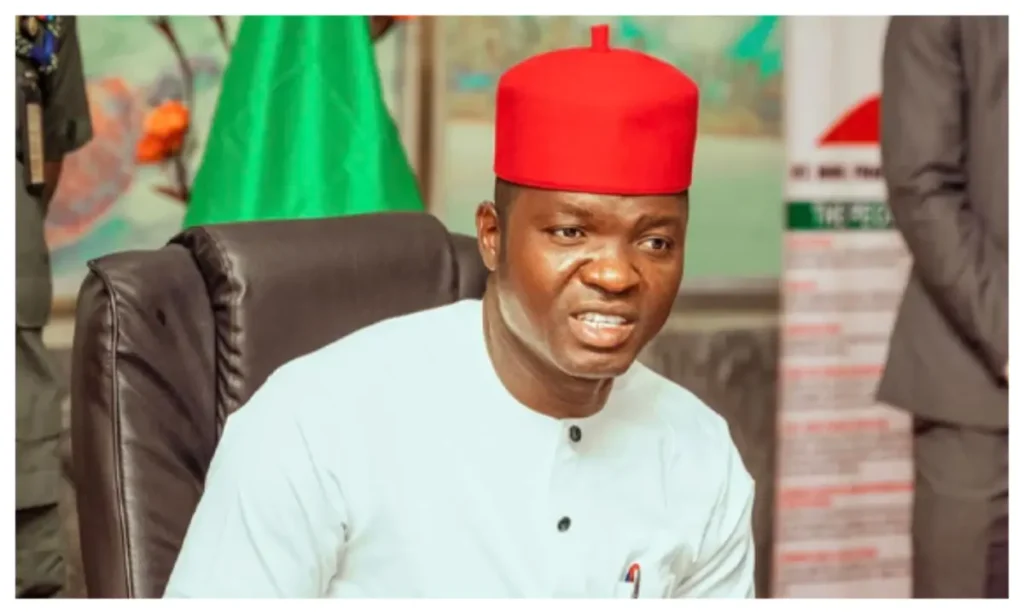
Ebonyi State Sets Deadlines for Projects, Appoints New Officials to Drive Reform
The Ebonyi State Government has announced a strict three-month deadline for the completion of all ongoing public projects, warning that supervising ministries will face sanctions for any delays. The directive, part of a broader push to accelerate development, was issued following a comprehensive review by the State Executive Council (EXCO).
Commissioner for Information and State Orientation, Ikeuwa Omebeh, who briefed journalists after the EXCO meeting, stated that key ministries—including Works, Infrastructure, Environment, Commerce and Industry, Water Resources, Housing, and Special Duties—have been mandated to intensify efforts to meet the timeline. The ultimatum aims to expedite service delivery and infrastructure development across the southeastern state.
In a concurrent move to strengthen governance, the Council approved the appointment and inauguration of two members of the State Civil Service Commission (SECC), a Special Assistant to the Governor on Media, and a Secretary of the Rural Electrification Board. Governor Francis Nwifuru charged the new appointees with demonstrating “dedication and commitment” in their duties.
The Governor also gave a specific mandate to the Rural Electrification Board, directing it to prioritize electricity supply to rural communities. This directive is framed as a strategic measure to curb rural-urban migration and stimulate grassroots economic activities, addressing a critical development challenge in the region.
Furthermore, the newly inaugurated Civil Service Commission has been assigned a pivotal role in the state’s reform agenda. It is tasked with collaborating with relevant stakeholders to reposition the civil service for improved productivity and efficient service delivery. This reform is seen as essential for sustaining the momentum behind the project completion drive and ensuring long-term administrative effectiveness.
The twin initiatives—enforcing project deadlines and appointing reform-focused officials—signal a concerted effort by the Nwifuru administration to enhance infrastructure output and institutional capacity. Observers note that successful implementation will depend on close coordination between the ministries, the newly appointed bodies, and sustained political will. The coming months will test the state’s ability to translate these directives into tangible results for its residents.


![Actress Regina Chukwu denied entry at Lateef, Mo Bimpe's triplets' thanksgiving [VIDEO]](https://mediatalkafrica.com/wp-content/uploads/2026/08/Regina-Chukwu-Denied-Entry-at-Lateef-Mo-Bimpe-Triplets-Thanksgiving-768x461.jpg)