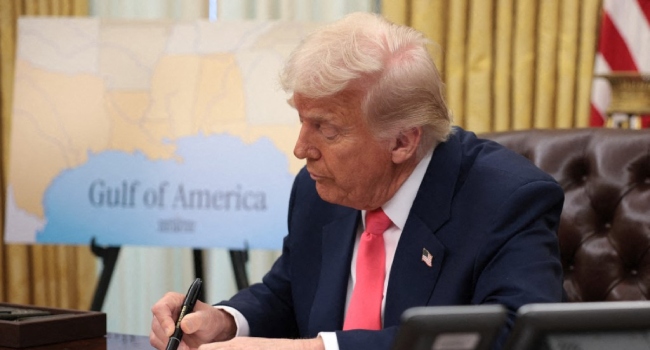
US President Donald Trump has signed an executive order threatening punitive tariffs on nations that maintain trade with Iran, a move announced days after pledging renewed talks with Tehran. The order, effective immediately, establishes a process to impose import duties on any country that “directly or indirectly” engages in commerce with Iran.
The specified tariff rate, potentially up to 25 percent, will be determined by Secretary of State Marco Rubio. This follows a similar threat by Trump in January. The policy aims to intensify economic pressure on Iran amid escalating geopolitical tensions, which include the deployment of a US carrier strike group to the Middle East and recent indirect nuclear negotiations in Oman.
The tariffs could significantly impact several major economies. Russia, Germany, Turkey, and the United Arab Emirates are among the listed nations that could face levies on goods exported to the United States. The measure particularly targets China, Iran’s largest trading partner, which recorded over $32.5 billion in bilateral trade with Iran in 2024, according to World Trade Organization data.
The diplomatic context remains fraught. The Omani-mediated talks on Friday marked the first US-Iran discussions since the US supported Israeli military action against Iranian nuclear facilities in June. President Trump described the talks as “very good” and confirmed a follow-up meeting is scheduled for early next week. Direct US-Iran relations have been largely frozen since the 1979 Islamic Revolution and the subsequent embassy hostage crisis.
Simultaneously, Iran faces severe internal unrest. The government has enforced a widespread internet blackout amid protests sparked by economic grievances. The US-based Human Rights Activists News Agency reports a death toll exceeding 6,500, including protesters, security personnel, and bystanders.
The executive order formalizes a strategy to isolate Iran economically by extending US sanctions to its foreign trade partners. This approach risks complicating international commerce and testing alliances, even as diplomatic channels cautiously reopen. The coming week’s talks will now proceed against the backdrop of this looming financial pressure, setting a critical juncture for US-Iran relations and global energy security.