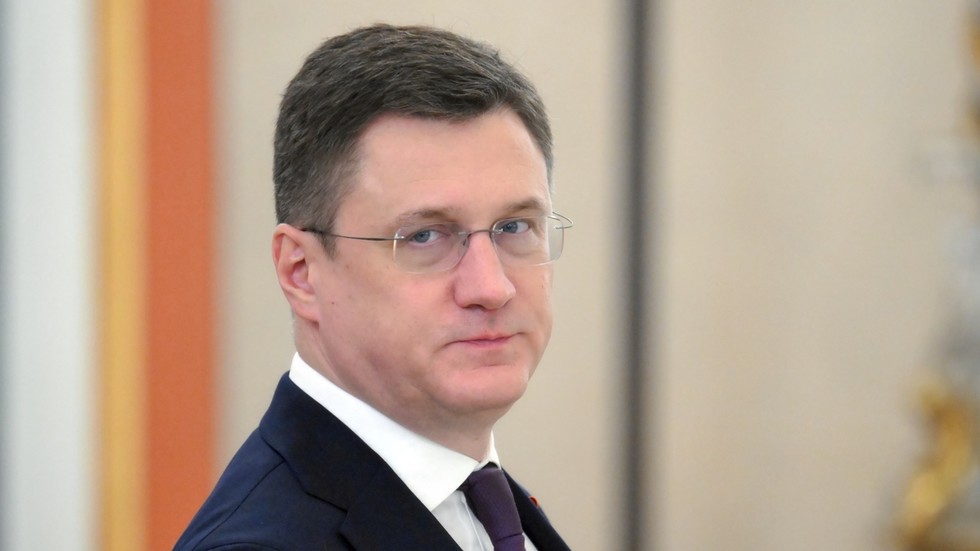
Aleksandr Novak, Russia’s deputy prime minister, told the business daily Vedomosti that the country’s economy remains fundamentally sound despite a 0.3 % year‑on‑year contraction in the first quarter of 2026 – the first quarterly decline since early 2023. Novak pointed to record‑low unemployment, rising household incomes and a rebound in manufacturing as evidence that the slowdown is likely temporary.
After several years of rapid expansion — growth above 4 % in 2023 and 2024 and around 1 % in 2025 — Russia’s gross domestic product slipped in the latest quarter. Novak described the dip as a normal correction that follows a period of high growth and said it is occurring alongside “structural transformation” driven by “unprecedented pressure from sanctions.” He noted that Russia has retained its position as the world’s fourth‑largest economy by purchasing‑power parity since 2021.
Manufacturing output, according to Novak, has risen nearly 23 % since 2022. The increase reflects a shift toward import substitution and higher domestic production after many Western firms exited the market. Real disposable incomes have also risen, up 26.1 % over the past three years, boosted by wage growth, social payments, business income and property earnings. Poverty, he said, fell to a record low of 6.7 % in 2025, while the unemployment rate is expected to stay around 2.3‑2.4 %, among the lowest levels in modern Russian history.
Novak attributed part of the slowdown to labour shortages and a tight monetary policy aimed at containing inflation. He expressed confidence that growth will resume later in the year as price pressures ease and financial conditions improve. Economic Development Minister Maksim Reshetnikov echoed the optimism, telling President Vladimir Putin that the economy has “held up well” despite sanctions. The ministry projects GDP growth of 0.4 % for 2026, picking up to 1.4 % by 2027.
The remarks highlight Russia’s effort to sustain economic stability amid external pressure, while emphasizing the importance of domestic production and social support measures. Observers will watch whether the anticipated recovery materialises and how the ongoing sanctions reshape the country’s longer‑term growth trajectory.