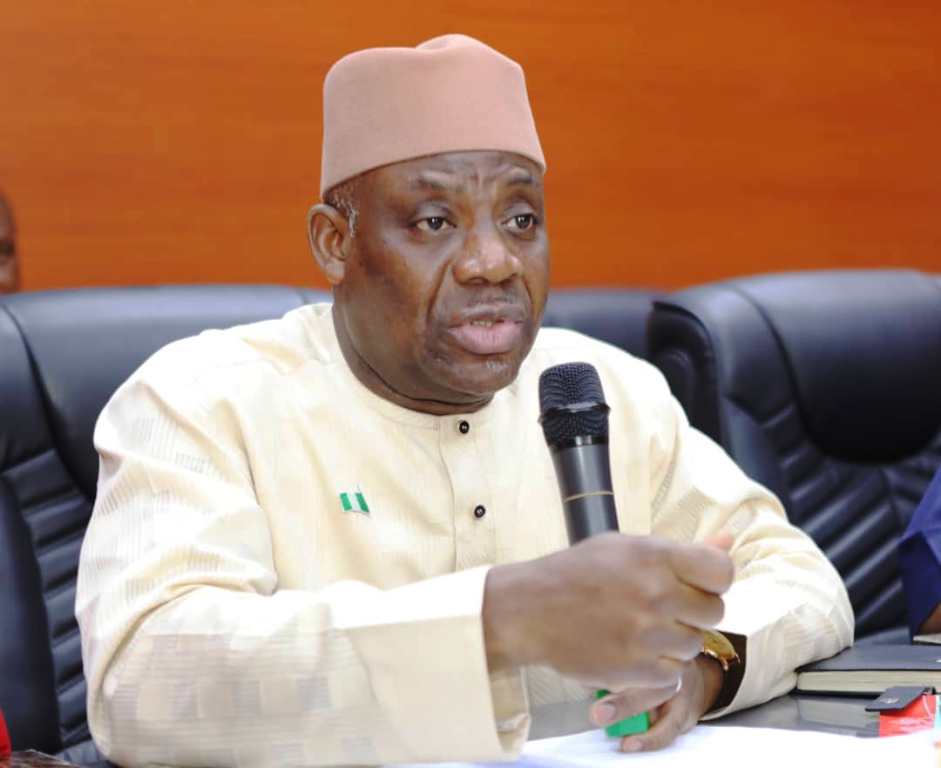
LAGOS — Nigeria’s education minister says the country’s out‑of‑school population is far lower than the 15‑18 million children often cited by UNICEF. Tunji Alausa told Channels Television’s Politics Today that a nationwide data‑mapping exercise is producing a more accurate count and that, over the past 30 months, more than one million children have been returned to school.
The Federal Ministry of Education has launched a ground‑level verification programme that visits communities, records children’s locations and cross‑checks enrolment data supplied by states. Early results suggest the national figure is now under eight million – still high, but considerably below earlier estimates.
Alausa highlighted the exercise in Kaduna State, where UNICEF’s previous data indicated 1.8 million out‑of‑school children. After completing the mapping, the ministry identified roughly 700 000, a reduction of more than half. Similar verification in Akwa Ibom and other states has produced comparable downward revisions.
“The mapping gives us the real numbers,” Alausa said. “We have located the children, verified their addresses and are now targeting them with interventions.”
He noted that the government’s response includes new partnerships with private schools, which will receive per‑child payments to admit out‑of‑school learners. Those agreements are set to begin this year, part of a broader strategy that also involves cash‑transfer schemes, accelerated learning programmes and community‑based outreach.
While the revised figure is welcomed, officials acknowledge that the challenge remains significant. “Even at under eight million, the situation is still too high,” Alausa said, stressing the need for continued effort.
UNICEF has not yet commented on the ministry’s new data. The latest government tally, however, is expected to feed into future policy planning and donor coordination, as Nigeria seeks to meet its Sustainable Development Goal target of universal primary education.