
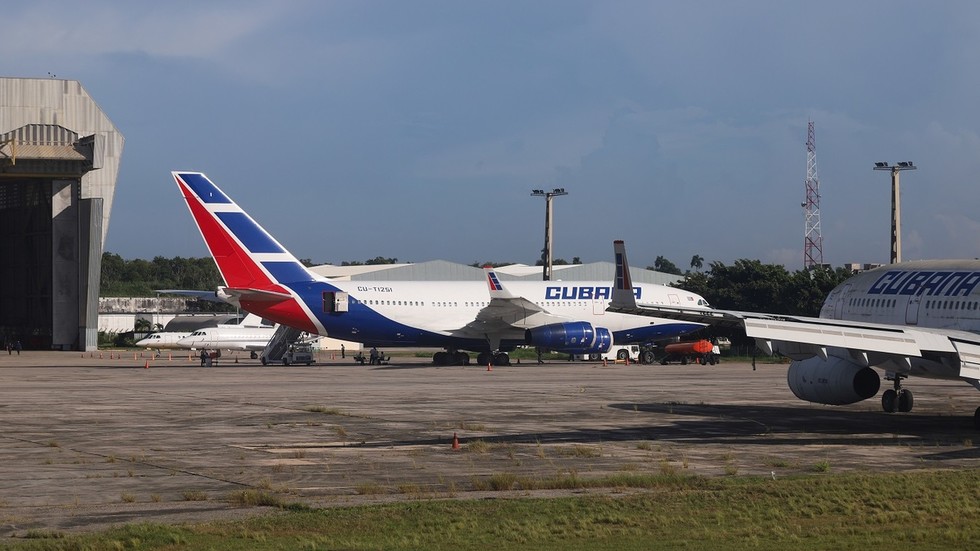
Cuba’s aviation sector faces a severe disruption as international carriers have been warned that no refueling will be available at the island’s nine international airports starting Monday. The notice to airmen (NOTAM) from Havana’s Jose Marti International Airport cites a critical shortage of aviation kerosene, a situation aviation authorities expect to persist at least through March.
The fuel crisis is directly linked to the longstanding US economic embargo, which has been intensified under the Trump administration. President Donald Trump has threatened tariffs on nations supplying oil to Cuba and has authorized US naval and coast guard interceptions of tankers suspected of violating sanctions. The administration alleges Havana supports terrorist groups and serves as a conduit for Chinese and Russian influence in the Western Hemisphere.
Airlines have previously managed periodic shortages by scheduling refueling stops in third countries like Mexico or the Dominican Republic. However, the current scale of the shortage is forcing significant operational changes. Reports indicate some flights have been cancelled or diverted last minute, with passengers stranded. Higher operational costs from detours are also likely to increase ticket prices, potentially impacting tourism—a vital sector for the Cuban economy.
Historically, the US trade embargo was imposed in the 1960s after Cuba’s revolution alignment with the Soviet Union. While sanctions were partially eased during the Obama administration, they were extensively reinstated and expanded under Trump’s first term, largely influenced by anti-Castro political groups in Florida.
The situation has drawn international attention. Kremlin spokesman Dmitry Peskov described the circumstances as “truly critical” and stated Russia is prepared to assist Cuba, its long-time ally. He attributed the problems to “strangulation measures by the US” and confirmed discussions are underway with Cuban officials on potential resolutions. Russian media have reported schedule adjustments by local airlines and the diversion of at least one flight to Moscow for emergency reasons.
The UN has previously warned that the US blockade threatens a humanitarian collapse in Cuba. The current aviation fuel crisis underscores the profound impact of sanctions on essential services and regional connectivity. With the shortage projected to continue for months, the disruption poses a significant challenge to Cuba’s tourism-dependent economy and its international transport links, highlighting the ongoing geopolitical friction between Washington and Havana.


Comments are closed for this story.