
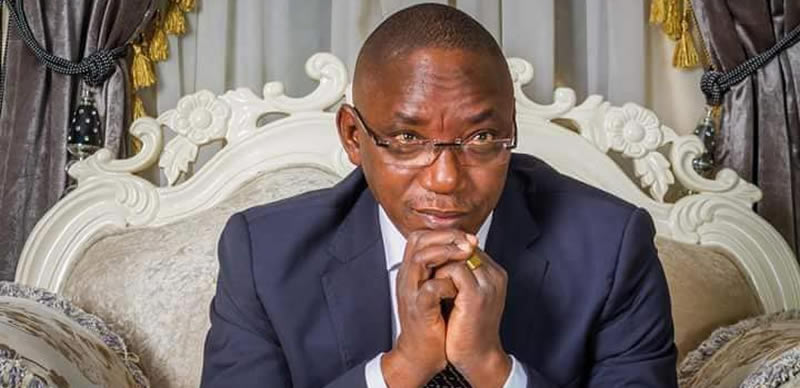
Former Nigerian Minister of Sports Solomon Dalung has declared that ongoing protests against the Senate’s rejection of real-time electronic transmission of election results represent merely the beginning of a broader public demand for electoral reform. Dalung made the statement on Tuesday during the second day of demonstrations in Abuja, aligning himself with youth-led demands for free, fair, and credible elections.
The protests emerged after the Senate declined to pass Clause 60, Subsection 3, of the Electoral Amendment Bill 2022. The rejected clause would have legally mandated the Independent National Electoral Commission (INEC) to electronically transmit results in real time. The decision sparked nationwide criticism from civil society, political opposition figures, and activist groups who argue the move undermines transparency and strengthens opportunities for result manipulation.
Dalung, addressing demonstrators, emphasized that the fight for credible polls is non-negotiable. “Free, fair and credible elections in Nigeria are no longer negotiable,” he stated. He urged the National Assembly to enact the amendment, asserting that any changes to the electoral process must align with the “whims and caprices of the Nigerian people,” not political interests. The former minister warned that citizens would monitor the transmission process closely to prevent a repeat of alleged rigging seen in the 2023 general election.
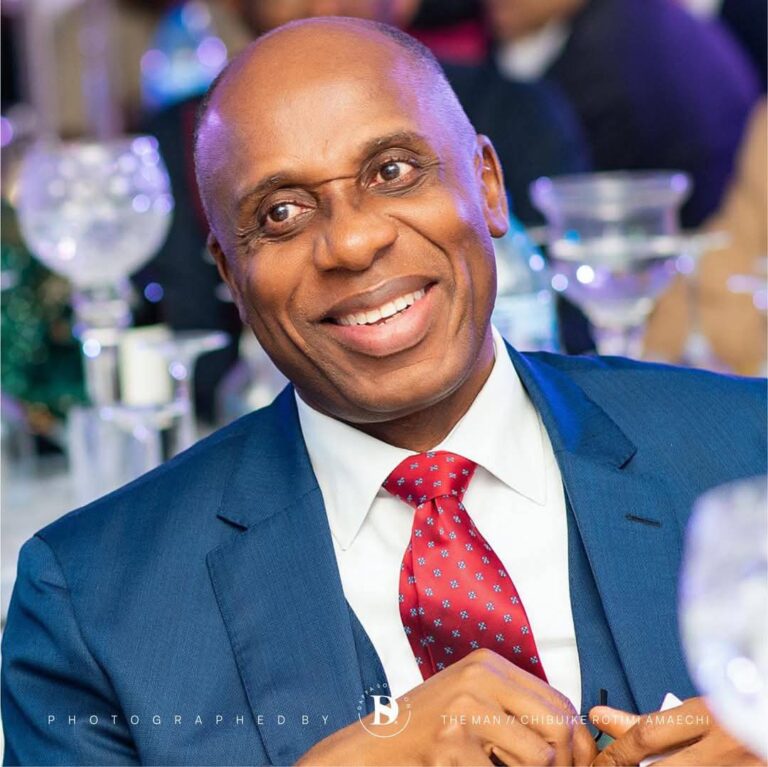
The protests have drawn notable figures including former presidential candidate Peter Obi and former minister Rotimi Amaechi, reflecting cross-party concern over electoral integrity. Organizers frame the issue as a defense of the “Nigerian vote,” demanding that the National Assembly, particularly the Senate, reverse its position and “concur and do the needful” on the transmission clause.
Analysts note that the Senate’s rejection centers on arguments about security, infrastructure gaps, and the need for a gradual rollout—points proponents of electronic transmission dispute, citing INEC’s successful use of technology in recent off-cycle elections. The standoff highlights deepening tensions between legislators and public demands for systemic reforms ahead of the 2027 election cycle.
With protests continuing, Dalung’s characterization of the demonstration as “just the beginning” signals sustained pressure on lawmakers. The movement seeks to force legislative consensus on real-time transmission, a key mechanism intended to reduce human interference and bolster public confidence in results. The outcome may shape the credibility of Nigeria’s next electoral cycle and influence broader governance reforms.

Comments are closed for this story.