
The Bill & Melinda Gates Foundation has issued a firm denial against viral social media claims suggesting it is responsible for a recent increase in mosquito populations in Kenya. The rumours, amplified by politician Paul Muite on X, falsely alleged that genetically modified mosquitoes were being released to target malaria but were instead biting vulnerable populations like children and the elderly.
In a clear statement, the Foundation stated it does not release mosquitoes and does not operate laboratories that breed or modify them. It emphasised that all its health initiatives in Kenya strictly adhere to national laws and are conducted under local regulatory oversight. The organisation’s role, it clarified, is to support health priorities identified by Kenyan authorities, partnering with the government, researchers, and public health agencies, rather than dictating policy or circumventing local systems.
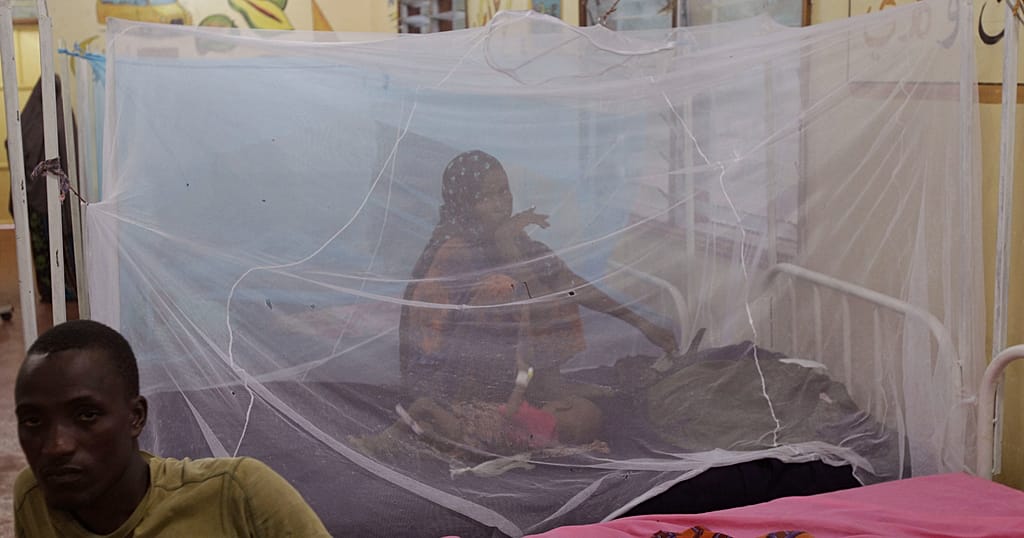
The controversy emerged against the backdrop of Kenya’s ongoing battle with malaria, a leading cause of morbidity and mortality in the country. The National Malaria Control Programme (NMCP) retains primary responsibility for prevention strategies, including the distribution of insecticidal nets and indoor residual spraying campaigns.
While the Gates Foundation funds research into novel malaria control tools—such as projects by the World Mosquito Program and Target Malaria exploring Wolbachia bacteria and gene-drive technologies—it stressed that any field research or potential releases in Kenya would be executed solely by local institutions and experts, following rigorous ethical and regulatory review. No such releases are currently underway.
Health authorities and experts have repeatedly underscored that genetically modified mosquito trials, where they occur globally, are subject to extensive containment protocols and community engagement, far removed from the uncontrolled scenario described in the rumours.
The Foundation urged the public to rely on verified information from official sources like the Ministry of Health and the NMCP. Separating fact from misinformation is critical, it said, to maintain trust in evidence-based malaria interventions that are already reducing transmission in many parts of Kenya. The episode highlights the challenge of combating health misinformation in the digital age, even as the country pursues innovative, locally-led solutions to its persistent malaria burden.




Comments are closed for this story.