
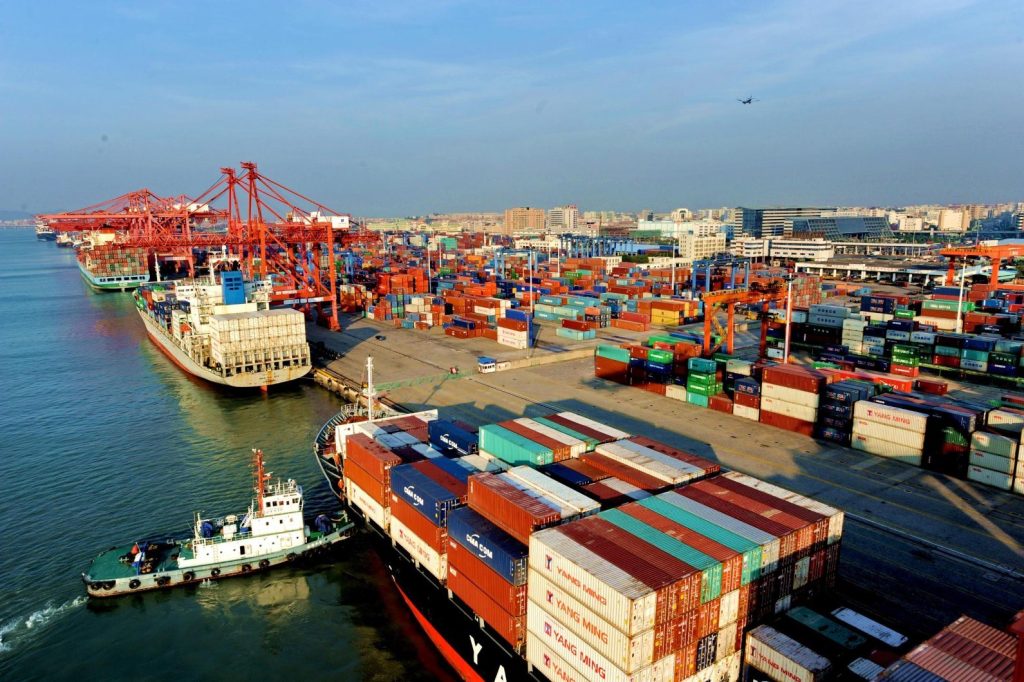
The Nigerian Ports Authority (NPA) has announced that 28 vessels, including tankers carrying petroleum products and container ships with assorted goods, are scheduled to berth at Lagos’s key ports between February 10 and February 19. The arrivals will distributed across the Apapa, Tin-Can Island, and Lekki Deep Sea Ports, according to the authority’s latest Shipping Position report.
The incoming fleet comprises 16 container vessels transporting various manufactured goods and 12 tankers laden with fuel and bulk commodities. The tankers are carrying crude oil, premium motor spirit (petrol), diesel, bulk gypsum, bulk wheat, blended stock, raw crude oil, bulk gas, and other general cargo. This influx underscores the critical role of Lagos ports as Nigeria’s primary gateway for essential imports, particularly energy products and food staples.
The NPA report also details current port activity. Ten ships and tankers have already arrived and are awaiting berthing space; their cargoes include crude oil, bulk urea, diesel, condensate, petrol, containers, and general goods. Concurrently, 15 vessels are actively offloading consignments at the three ports. Discharged cargoes encompass general goods, bulk gypsum, containers, bulk fertiliser, bulk sugar, diesel, and crude oil.
Lagos ports handle the majority of Nigeria’s maritime trade, making the timely arrival and discharge of vessels vital for national supply chains. The scheduled arrivals and ongoing operations indicate a concerted effort to clear cargo backlogs and maintain the flow of commodities, ranging from fuel to agricultural inputs. The NPA’s weekly shipping report provides essential transparency for stakeholders, including importers, exporters, and logistics providers, monitoring port congestion and berthing schedules.
The consistent movement of fuel and bulk goods through these facilities is crucial for stabilising domestic prices and ensuring industrial activity. Observers will watch whether the port system can efficiently handle this volume without significant delays, a persistent challenge in previous years. The effective management of these arrivals directly impacts Nigeria’s economic stability and energy security in the short term.




Comments are closed for this story.