
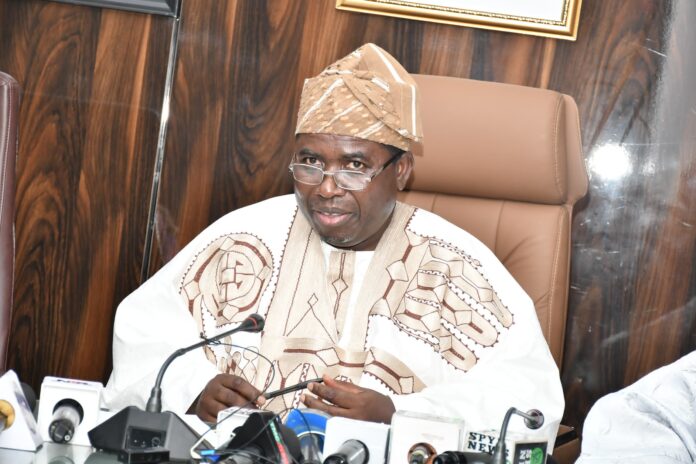
The Independent National Electoral Commission (INEC) has reiterated its commitment to using technology for the 2027 general elections, while correcting public speculation about the election budget. Chairman Prof. Joash Amupitan stated the planned budget is N273 billion, not the N1 trillion rumoured.
Speaking in Abuja after releasing the 2027 election timetable, Prof. Amupitan emphasized that the Bimodal Voter Accreditation System (BVAS) and the INEC Result Viewing Portal (IReV) remain central to the electoral process, as required by the Electoral Act 2022. He acknowledged past technological challenges but assured that INEC is continuously improving both systems. “We have built the IReV; we have improved on it and we are improving on our BVAS,” he said, adding that the commission has its own system to ensure results are transmitted regardless of ongoing national debates.
To build public trust, INEC plans to conduct a mock presidential election to test the robustness of its technology before 2027. The chairman also clarified that BVAS devices are already being reconfigured and tested for future elections, including in the Federal Capital Territory.
A significant portion of the budget discussion focused on the cost of ad-hoc staff. Prof. Amupitan explained that a recent House of Representatives resolution to increase allowances for National Youth Service Corps (NYSC) members alone would add about N32 billion to the budget, as INEC engages approximately 450,000 corps members. He noted that because every polling unit also has four other officials (Presiding Officer and three Assistant Presiding Officers), the increase must be applied across the board, substantially multiplying the cost.
He listed other budget drivers as training, security deployment, inflation, and foreign exchange fluctuations. When asked about conducting all elections in one day, the chairman said this would require a constitutional amendment, citing Sections 76 and 118 which mandate elections within 150 days before a tenure ends. He explained that off-cycle states exist due to past tribunal rulings that reset governors’ tenures at different times.
Prof. Amupitan also refuted reports that he proposed building new hospitals, clarifying that INEC only requested funds for drugs and maintenance of its existing staff clinics.


Comments are closed for this story.