
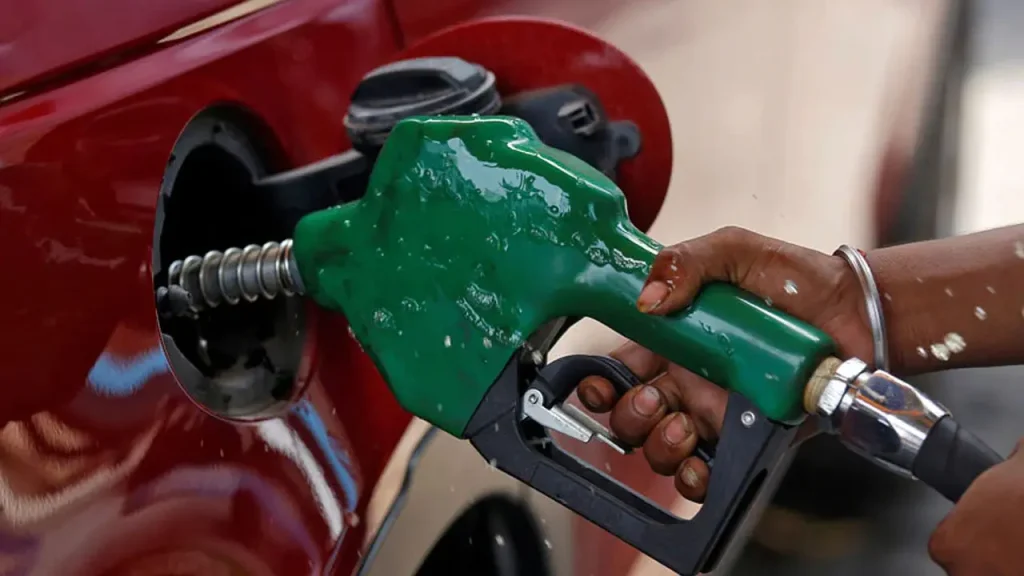
MRS filling stations linked to Dangote Refinery have increased their retail petrol price in Abuja to N875 per litre, up from N839, a move that negates the recent reduction in the refinery’s own gantry price.
According to a report by Media Talk Africa, a manager at one MRS station in Abuja confirmed the N36 per litre hike on Friday. The outlet is owned by Sayyu Idris Dantata, the half-brother of Aliko Dangote, whose 650,000-barrel-per-day refinery recently began operating at full capacity.
This increase comes after Dangote Refinery announced a N25 per litre cut in its petrol gantry price to N744, down from N799, a strategic move intended to make its fuel more competitive against imported products. However, the new retail price at MRS stations now matches or exceeds that of other major marketers, including Nigerian National Petroleum Company Limited (NNPCL). Market sources indicate the general retail price range in Abuja and surrounding areas is now between N875 and N889 per litre as of Friday night.
The development highlights a disconnect between the refinery’s wholesale pricing strategy and final consumer costs at its affiliated retail outlets. While the refinery reduces its ex-depot price to stimulate market competition and potentially lower pump prices nationally, the immediate effect appears absorbed by retailers. The price adjustment at MRS stations has effectively closed the previous gap where its fuel was cheaper than competitors.
Dangote Refinery is a pivotal project for Nigeria’s energy sector, aiming to reduce dependence on imported refined products and stabilise the domestic market. The refinery’s pricing decisions are closely monitored for their impact on national fuel costs. The latest retail price hike at MRS stations suggests that other market factors, including distribution costs, retailer margins, and overall supply dynamics, continue to exert strong influence on pump prices, independent of the refinery’s gantry rates. The situation underscores the complex chain from refinery output to consumer pricing in Nigeria’s fuel sector.


Comments are closed for this story.