
Former Nigerian Minister Blames Sensational Headlines for Exacerbating #EndSARS Controversy
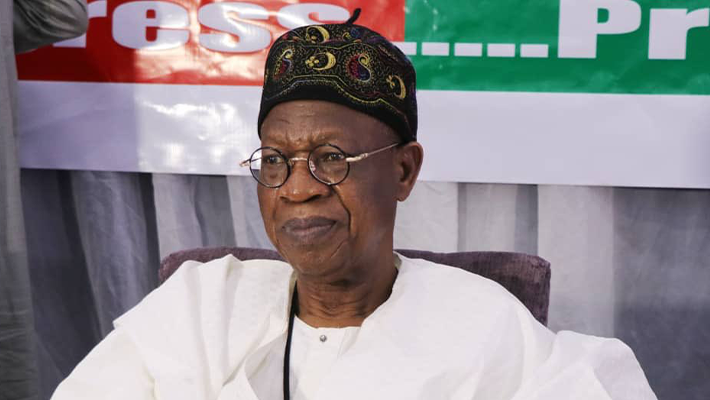
ABUJA — Former Minister of Information and Culture Lai Mohammed has attributed the heightened controversy surrounding the 2020 #EndSARS protests against police brutality to sensational and misleading media headlines. Speaking during the launch of his book, Headlines and Soundbites: Media Moments That Defined An Administration, in Abuja on Thursday, Mohammed argued that exaggerated reporting deepened public misunderstanding of the events.
Mohammed stated that the power of headlines has magnified in the digital and social media era, leading many Nigerians to form opinions based solely on headlines without consuming full reports. “The powers of headlines are so enormous,” he said. “Unfortunately, these days… the attention span of the average citizen has shrunk. The average Nigerian today doesn’t want to read any document. He runs away with the headlines, but the headlines don’t always tell the story.”
He specifically cited coverage following the dispersal of #EndSARS protesters at Lekki Toll Gate by security personnel. Mohammed noted that headlines such as “massacre at the toll gate,” which cited varying, unverified casualty figures, contributed significantly to the protest’s contentious aftermath. “It was these same headlines that made the EndSARS protest so controversial,” he stated.
The former minister criticised a culture of sharing unverified information, particularly on social media. “Unfortunately, in Nigeria today, you send a story, nobody bothers to verify, they share,” he said, linking this to broader societal harm, including broken homes and instances of cyberbullying leading to suicide.
Mohammed renewed his call for the regulation of social media platforms, framing it as a necessary safety measure rather than censorship. He compared it to automotive safety features: “When cars were made, they had speed gears, but they also had brakes. For the same reason that an unregulated social media can do more harm than good.” He pointed to emerging regulatory efforts in Western nations, such as Australia’s proposed age restrictions, as evidence of a global shift toward oversight for public well-being.
Concluding, Mohammed asserted that while headlines are essential to journalism, they distort perception without proper context, urging media practitioners and the public to prioritise accuracy and verification. He explained that his book documents key media moments from the previous administration to fulfil a duty of record-keeping for public officials. His comments highlight an ongoing debate over media responsibility and digital platform governance in Nigeria’s public sphere.




Comments are closed for this story.