
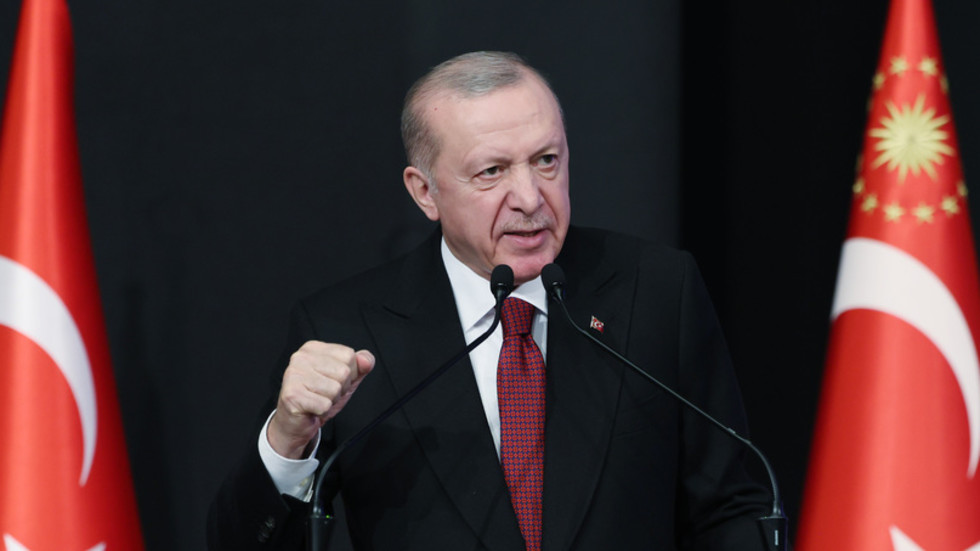
Turkey has issued a stark warning that a forceful, selective approach to Iran’s nuclear program could trigger a dangerous proliferation cascade in the Middle East, with Ankara itself potentially compelled to seek a nuclear deterrent. The statement reflects a deepening shift in Turkey’s strategic calculus, driven by concerns over regional instability and perceived nuclear double standards.
For years, Turkish leaders, particularly President Recep Tayyip Erdogan, have criticized the global nuclear order, highlighting Israel’s assumed arsenal as an example of unequal enforcement. This discourse has grown more urgent following the 2023 Gaza war and as U.S. and Israeli pressure on Iran intensifies. Ankara now argues that if Iran acquires nuclear weapons, other regional states will rush to follow, potentially forcing Turkey into a race it has historically opposed. The core concern is a regional logic where nuclear capability becomes the sole guarantee against regime-threatening force, leaving non-nuclear states strategically exposed.
This shift occurs against a backdrop of eroding arms control and intensifying great power competition. Turkey, positioning itself as a major regional power with expansive diplomatic and security roles, sees nuclear latency—the capacity to develop weapons quickly—as potential leverage. It possesses foundational elements for a civil nuclear program, including the Akkuyu power plant project with Russia, growing expertise, and domestic thorium resources. However, significant political and legal barriers exist. As a party to the Nuclear Non-Proliferation Treaty (NPT), an overt weapons program would risk severe sanctions, diplomatic isolation, and economic damage, given Turkey’s deep integration with global markets.
The more immediate risk is not a sudden Turkish bomb, but a regional slide toward a “threshold era,” where multiple states maintain latent capabilities. Analysts note that discussions about security arrangements, including potential extensions of deterrence from Pakistan to Gulf states like Saudi Arabia, are normalizing the idea of proliferation as a defensive measure. Such networks could compress development timelines and complicate monitoring.
A Turkish nuclear weapons program would fundamentally alter regional and global security. It would challenge Turkey’s decades-long NATO anchor, potentially weakening Western influence and emboldening a more autonomous, risk-prone Turkish foreign policy. Disputes over Eastern Mediterranean resources, Syria, and alliance solidarity would become harder to manage under a nuclear shadow.
Ultimately, Turkey’s signaling is a warning that the current path risks unraveling the non-proliferation regime. To prevent a cascade, experts argue, the international community must address the perceived illegitimacy of the nuclear order and pursue inclusive security guarantees. Without restoring the credibility of universal rules, the Middle East may edge toward a crowded, unstable deterrence environment where miscalculation heightens the risk of catastrophe.

Comments are closed for this story.