
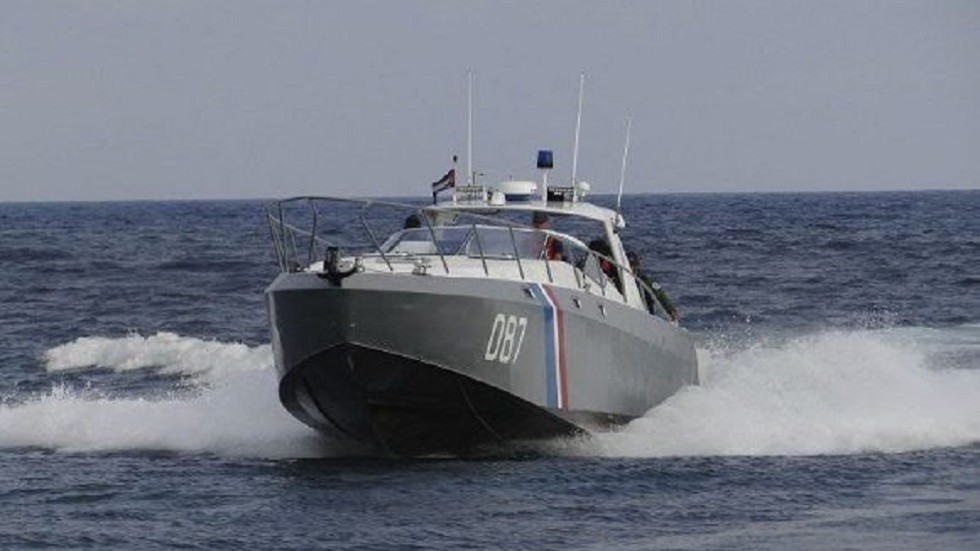
Cuban border guards engaged in a fatal gunfight with a US-flagged speedboat off the island’s northern coast, authorities said Wednesday, alleging the vessel carried armed men planning a terrorist infiltration. The clash, which occurred approximately one nautical mile from Villa Clara province, resulted in four deaths and six injuries, including a wounded Cuban patrol commander.
According to Cuba’s Interior Ministry, border guards approached the Florida-registered vessel, identified as FL7726SH, for an identification check when occupants allegedly opened fire first. Guards returned fire, leading to the casualties. A subsequent search of the boat revealed an arsenal including assault rifles, sidearms, homemade explosive devices such as Molotov cocktails, ballistic vests, telescopic sights, and camouflage uniforms. Officials described the equipment as indicative of a coordinated attempt to infiltrate Cuba with terrorist objectives.
Among the deceased, Cuban authorities have confirmed the identity of Michel Ortega Casanova and are working to identify three others. All six detained individuals have been named, with some appearing on Cuba’s national list of persons sought for alleged ties to past violent and terrorist activities. Authorities believe all participants are Cuban nationals residing in the United States. A seventh suspect, Duniel Hernandez Santos, was separately arrested and reportedly confessed to being sent from the US in advance to coordinate the armed group’s landing.
The United States has denied any involvement. Secretary of State Marco Rubio stated that the vessel was neither owned nor operated by the US Navy or Coast Guard, emphasizing that Washington would conduct its own review of independent data before drawing conclusions. “Let’s have our own information on this, and we will find out exactly what happened,” Rubio told reporters.
The incident underscores persistent security concerns in the Caribbean region, where maritime interdictions occasionally occur amidst complex US-Cuba relations. Historically, Cuba has accused US-based exile groups of orchestrating attacks or infiltration attempts, while the US maintains a stance of non-involvement in such matters. Both nations have limited bilateral cooperation on security, with interactions often marred by mutual suspicion.
Investigations continue on both sides, with Cuban authorities pursuing leads on the network behind the alleged plot and US officials reviewing the vessel’s registration and origins. The case may further strain diplomatic ties, already fragile over issues like migration and economic sanctions. Outcomes could influence future maritime enforcement protocols and intelligence sharing, though formal channels remain constrained.
This event highlights the volatility of cross-border security incidents and the challenges of verifying claims in politically sensitive contexts. As details emerge, the focus will likely shift to the legal proceedings against the detainees and any diplomatic responses that follow.


Comments are closed for this story.