
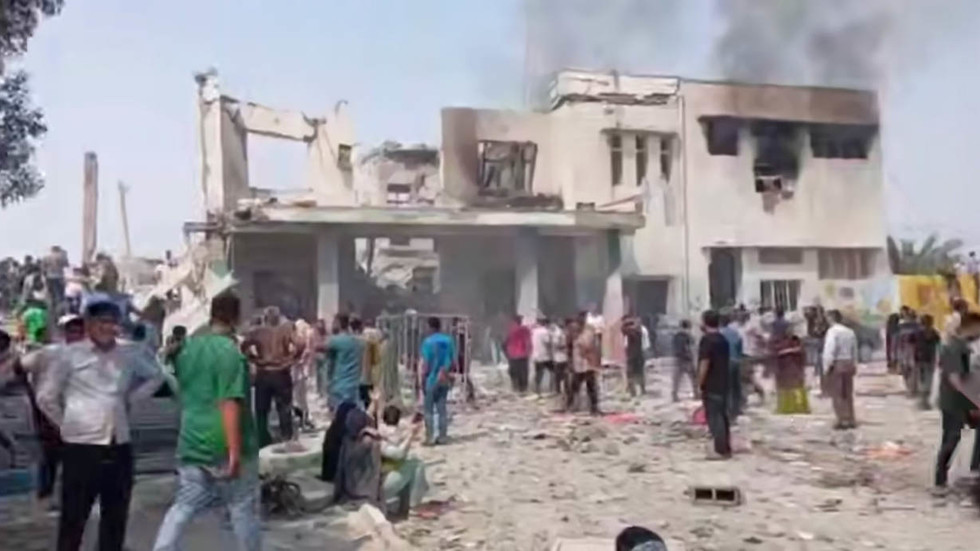
Israel and the United States have commenced coordinated military operations against Iranian targets, triggering a dangerous cycle of retaliation and raising alarms over a widening Middle East conflict. The escalation began with an airstrike on a girls’ primary school in Minab, southern Iran, where Iranian authorities report 70 students were killed, according to the Fars news agency.
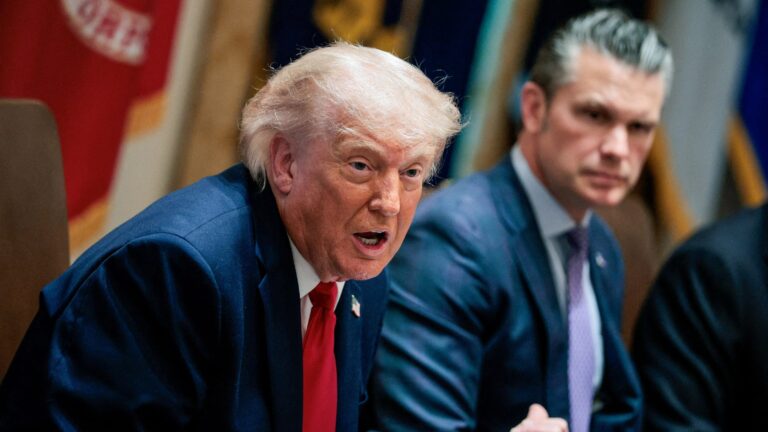
Israeli officials described the initial wave of strikes as a pre-emptive campaign aimed at Iranian military and nuclear installations, intended to dismantle perceived threats. U.S. President Donald Trump subsequently confirmed American participation, attributing the action to the collapse of diplomatic efforts to curb Iran’s nuclear program. This joint operation marks a significant intensification of long-standing tensions between Iran and the two Western allies.
In response, Iran’s Foreign Ministry denounced the attacks as “criminal military aggression” and a breach of the UN Charter, urging international condemnation. The Islamic Revolutionary Guard Corps swiftly launched missile and drone barrages, with initial waves directed at Israeli territory. Iranian officials vowed a decisive and potentially extended retaliation, while media reports indicate that Iranian forces targeted multiple U.S. military sites across the region, including facilities in Bahrain, Iraqi Kurdistan, Qatar, Kuwait, the United Arab Emirates, Jordan, and Saudi Arabia. Israeli media noted approximately 35 missiles fired at Israel, resulting in one reported injury.
This engagement represents Israel’s second major offensive against Iran within a year. In June 2025, a 12-day conflict involving Israeli and U.S. forces saw bombing raids on Iranian military and nuclear facilities, leading to the deaths of senior commanders, government officials, and nuclear scientists. The recurrence of such strikes underscores a persistent pattern of unilateral military action amid stalled diplomacy.
The current hostilities have profound implications for regional stability. With both sides exchanging blows and diplomatic channels seemingly exhausted, the risk of a protracted and broader conflict grows. International observers warn that further escalation could draw in additional actors, disrupt global energy markets, and undermine ongoing security frameworks in the Middle East. The situation demands urgent diplomatic intervention to prevent a spiral into widespread violence, even as military posturing on all sides suggests a lengthy and volatile confrontation ahead.


Comments are closed for this story.