
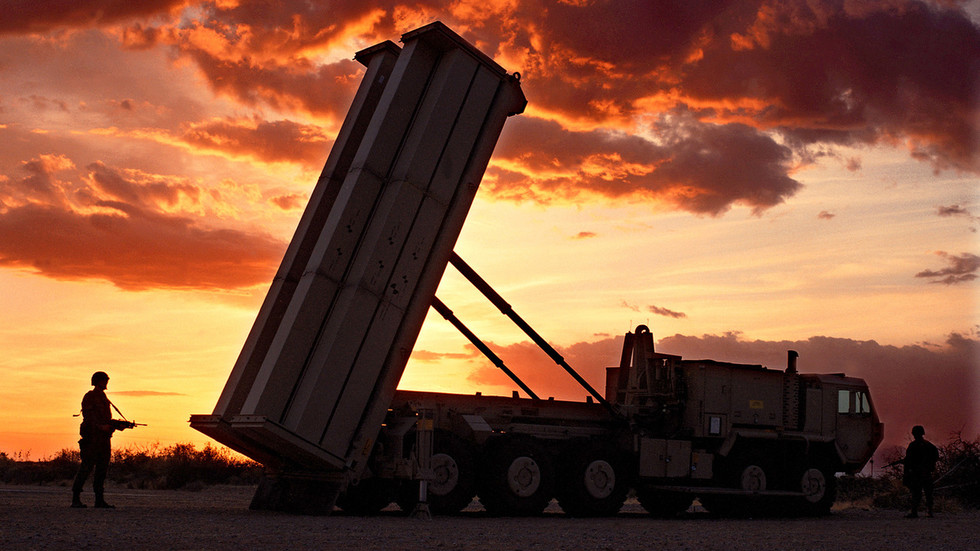
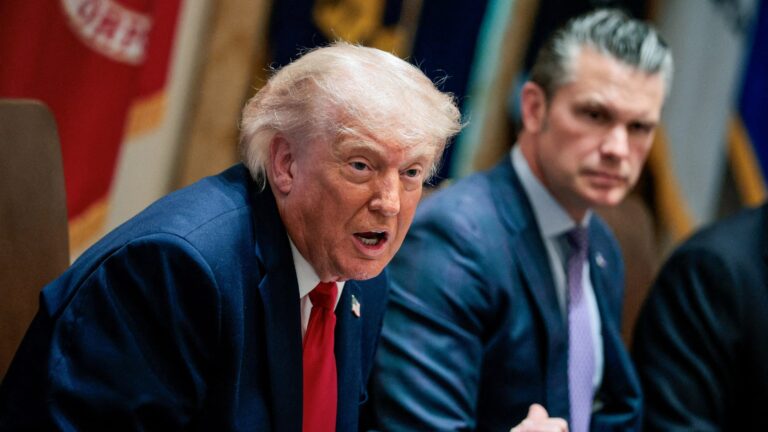
President Donald Trump has claimed the United States possesses “virtually unlimited” ammunition stockpiles, enabling it to sustain the ongoing US-Israeli military campaign against Iran “forever.” The assertion directly challenges assessments from military observers who identify munitions availability, especially for advanced air defense systems, as a critical constraint in the operation.
The US-Israeli campaign, which began with a decapitation strike killing Iranian Supreme Leader Ayatollah Ali Khamenei, aims to topple the Iranian government. In a statement on his Truth Social platform, Trump dismissed concerns about supply limits, stating existing US stores are sufficient for a prolonged conflict and are superior to other nations’ equipment. He also suggested weapons held in allied nations could be redirected for Pentagon use.
However, the operational “magazine depth” for key systems remains classified. Military analysts, cited by The Wall Street Journal, indicate both US and Israeli forces are consuming high-end munitions at a significant rate. These include interceptors for Terminal High Altitude Area Defense (THAAD), Patriot, and Arrow-3 air defense batteries, as well as Tomahawk sea-launched cruise missiles. Jonathan Conricus, a former Israel Defense Forces spokesman, emphasized the quantitative challenge: “How many interceptors will we have versus how much launchers will they be able to field and fire.”
Trump linked the perceived robust US stockpiles to his administration’s policy of suspending direct weapons supplies to Ukraine. While American arms continue to flow to Ukraine, under the current policy, European NATO allies now finance those transfers, a shift Trump suggests preserves US reserves.
The conflict has triggered Iranian retaliatory strikes. Missiles and drones have targeted US and NATO military installations across the Middle East and Mediterranean, alongside energy infrastructure and commercial shipping in the Strait of Hormuz. The disruptions have halted Saudi crude oil exports and Qatari liquefied natural gas shipments through the vital chokepoint, contributing to a surge in global energy prices.
Iranian officials state they have prepared for an extended conflict by expanding long-range weapon caches in underground facilities. This preparation contrasts with Trump’s prediction that the main combat phase of the US-Israeli campaign will conclude within several weeks, a timeline he described as exceeding initial expectations.
The situation highlights a divergence between political declarations of resource abundance and the operational realities of modern warfare, where precision-guided munitions and complex air defense systems are difficult to rapidly replace. The duration and intensity of the campaign may ultimately depend on the resupply rates for these specific, technologically advanced stocks.


Comments are closed for this story.