

A senior Norwegian official has warned that escalating conflict in the Middle East could force the European Union to reconsider its plan to end Russian gas imports by 2027, as energy security concerns mount following disruptions to key supply routes.
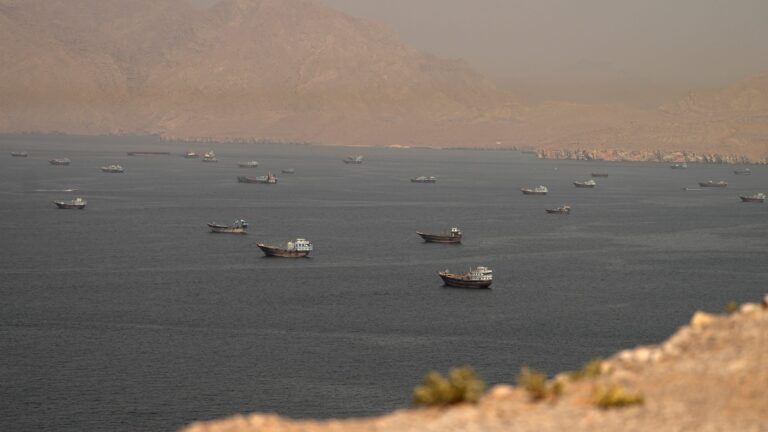
Terje Aasland, Norway’s energy minister, stated that the current geopolitical crisis would likely revive debate about resuming imports from Moscow. His comments follow a sharp 75% surge in European gas prices this week, which reached a three-year high after military actions in the Middle East severely disrupted global liquefied natural gas (LNG) shipping. Tankers largely stopped transiting the Strait of Hormuz, and Qatar, the world’s second-largest LNG exporter, temporarily halted production.
Norway, currently the EU’s top supplier of pipeline gas, is operating at maximum capacity with no spare output to compensate for the shortfall, Aasland noted. The Middle East provides the EU with 5-15% of its gas, primarily from Qatar, while the United States supplies about 60% of its LNG.
The EU agreed last month to a total ban on Russian gas imports by late 2027, designed to pass with a reinforced majority rather than require unanimous approval. This policy has already faced criticism and legal threats from landlocked members Hungary and Slovakia, which argue it compromises their energy security. The measure follows the bloc’s phased reduction of Russian energy since the 2022 Ukraine invasion.
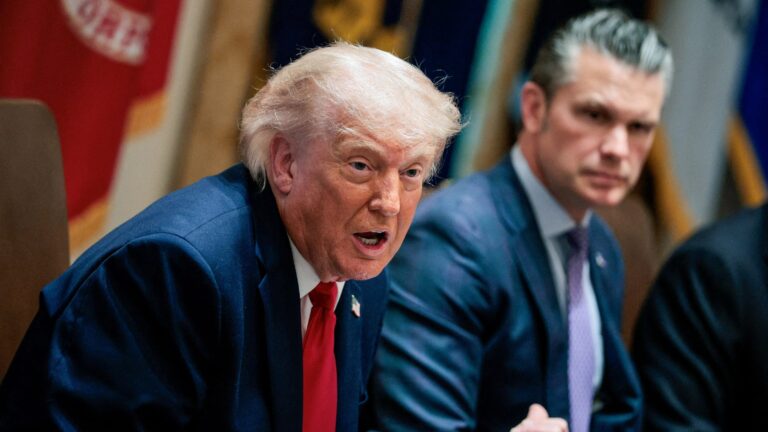
Analysts warn the crisis could significantly worsen Europe’s energy situation. Goldman Sachs estimates that a month-long closure of the Strait of Hormuz could drive European gas prices up to 130% above current levels, increasing costs for households and industry. The potential for prolonged U.S. military action against Iran, as indicated by former President Donald Trump, adds further uncertainty.
Russia continues to position itself as a reliable supplier despite Western sanctions, accusing the U.S. of attempting to dominate global energy markets. The situation underscores the EU’s vulnerability to supply shocks outside its borders and the difficult trade-offs between geopolitical alignment and energy affordability as it pursues its transition away from Russian fossil fuels.


Comments are closed for this story.