

The Nigerian government has halted the issuance of new petrol import licences for a second consecutive month, a policy shift driven by rising output from domestic refineries and the enforcement of the Petroleum Industry Act (PIA).
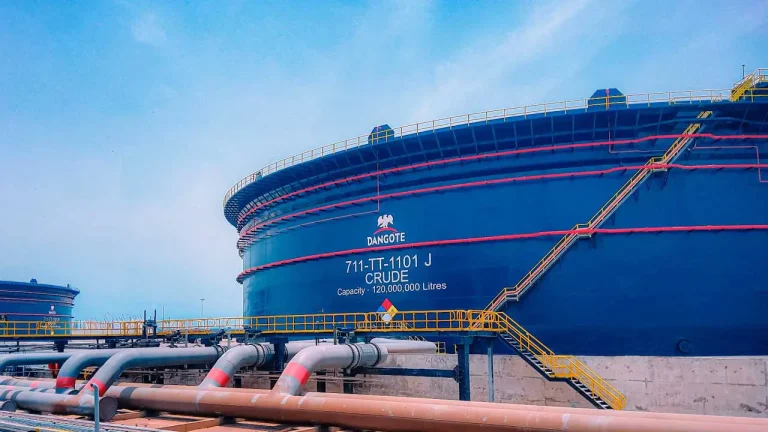
This decision, confirmed by the Nigerian Midstream and Downstream Petroleum Regulatory Authority (NMDPRA), follows a significant drop in the nation’s daily petrol consumption. Data shows average usage fell to 56.9 million litres per day in February 2024, down from 60.2 million litres in January. The regulator attributed this decline to increased local supply, particularly from the Dangote Refinery, which provided 36.5 million litres of petrol and 8 million litres of diesel to the market in February.
Under the PIA, import permits are granted only when domestic production is insufficient to meet national demand. With local refineries now covering a substantial portion of needs, the NMDPRA has withheld licences for both February and March. The Crude Oil Refiners Association of Nigeria (CORAN) verified that no licences were issued in March, signalling a decisive move to prioritise local refining capacity.
This policy marks a victory for domestic refiners, including the Dangote Refinery, which previously challenged the government in court to restrict imports that it said undermined local operations. Eche Idoko, a CORAN spokesperson, welcomed the regulator’s stance, stating that protecting local production is a positive step, though sustaining the momentum remains a challenge.
The suspension occurs against a backdrop of volatile global oil markets. Fuel pump prices in Nigeria have surged over 54% in recent weeks, a rise the NMDPRA blamed on escalating conflict in the Middle East following strikes on Iran. While global prices climb, the government’s import halt aims to insulate the local market from external shocks by bolstering indigenous supply chains.
Analysts note that the shift could reshape Nigeria’s fuel sector, potentially reducing reliance on imports and improving trade balances. However, the long-term success hinges on the consistent operational reliability of local refineries to meet full national demand without supply gaps.
The development underscores a broader strategic intent by the federal government to implement the PIA’s provisions fully, fostering a more self-sufficient downstream petroleum sector.



Comments are closed for this story.