
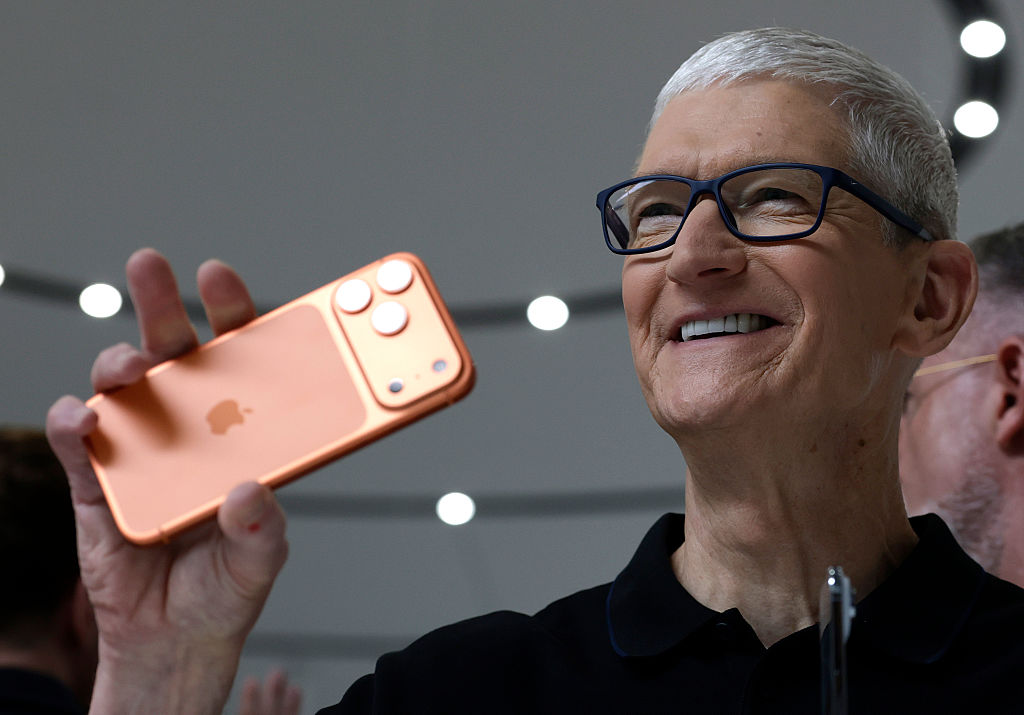
Apple’s chief executive, Tim Cook, will step down in September after 15 years at the helm, transitioning to the role of executive chairman. The change has sparked analysis of Apple’s evolution since Cook succeeded Steve Jobs in 2011 and of the challenges that new CEO John Ternus will inherit.
In a recent episode of TechCrunch’s Equity podcast, hosts Kirsten Korosec, Sean O’Kane and guest Anthony examined the implications of the leadership shift. They highlighted Cook’s impact beyond product design, noting that his operational strategy—often described as a product in its own right—restructured supply chains and reshaped global economies. “Many recall Cook as a product person, but his real legacy is the operational model he built,” Korosec said.
The discussion turned to Ternus’s prospects. O’Kane argued that the incoming CEO benefits from a “running start,” with Apple’s revenue and services businesses continuing to grow under Cook’s tenure. Nonetheless, he questioned the sustainability of that momentum amid broader market volatility, the fragmentation of the global economy and the accelerating influence of artificial intelligence on business processes.
Apple’s financial health remains robust. The company’s hardware sales—particularly the iPhone, which has seen incremental design changes rather than radical redesigns—continue to generate substantial income. Simultaneously, services such as the App Store, cloud offerings and media content have become increasingly significant revenue streams. Recent data indicate rising App Store activity, including higher install rates and new app releases, underscoring the platform’s resilience despite industry speculation about the future of distributed software.
The podcast panel also considered Apple’s capacity for strategic investment. Korosec noted that Apple holds over $45 billion in cash reserves at the end of 2025, providing flexibility for large‑scale bets or acquisitions. She referenced the ambitious but uncertain Project Titan—Apple’s rumored automobile initiative—as an example of past capital deployment and asked whether Ternus would pursue similar high‑profile projects.
While Apple’s durable business model offers Ternus a solid foundation, panelists cautioned that the company must continue to innovate beyond its existing product lines. The iPhone’s generational updates may not replicate the disruptive impact of the original smartphone, and Apple’s track record in artificial‑intelligence‑driven categories remains limited. Whether the firm will rely on partnerships to integrate AI capabilities or develop its own offerings will shape its competitive position.
Cook’s continued presence as executive chairman is expected to provide continuity and political savvy, qualities that have helped Apple navigate regulatory and governmental challenges. As the transition approaches, industry observers will watch how Ternus balances operational excellence with product innovation in a rapidly changing technological landscape.



Comments are closed for this story.