
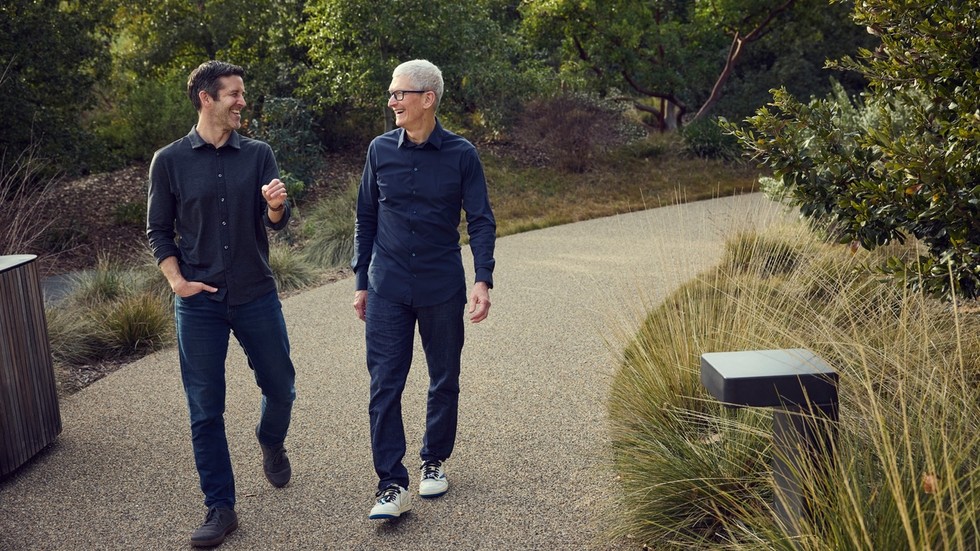
Apple announced that CEO Tim Cook will step down on September 1, ending a nearly 15‑year tenure at the helm of the technology giant. Cook, who succeeded co‑founder Steve Jobs in August 2011, will be succeeded by John Ternus, Apple’s senior vice president of hardware engineering.
During Cook’s leadership, Apple’s market capitalisation surged from roughly $350 billion to about $4 trillion, driven by an expanded product portfolio and services ecosystem. Under his stewardship the company launched the Apple Watch, AirPods, Apple Music, and Apple Pay, while growing its wearables and services divisions into major revenue streams. Cook described his time as CEO as “the greatest privilege of my life” and will remain with Apple as executive chairman, focusing on engagement with policymakers worldwide.
Ternus, who joined Apple in 2001, has overseen hardware development across the iPhone, iPad, and Mac product lines. In a statement he expressed gratitude for the opportunity and pledged to lead with the values and vision that have defined Apple for more than half a century.
The leadership transition comes as Apple faces mounting pressure to accelerate its artificial‑intelligence capabilities. Although the company remains highly profitable, investors and industry observers have raised concerns about its pace of AI innovation compared to rivals. Several reports suggest that Ternus will inherit a business under scrutiny over its AI strategy and future product pipeline.
Cook’s departure marks the end of an era for Apple, which has evolved from a niche computer maker into one of the world’s most valuable and influential technology companies. The move also signals a generational shift in leadership as the firm seeks to navigate an increasingly competitive and rapidly changing tech landscape.



Comments are closed for this story.