
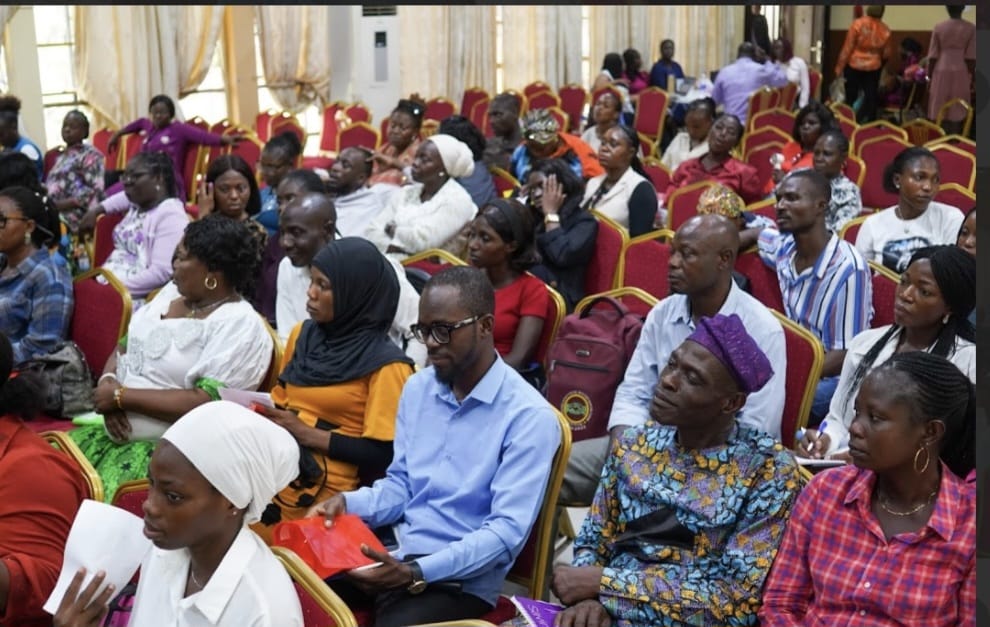
A two-day capacity-building workshop for health educators across Lagos State concluded this week, aimed at strengthening community engagement and improving the utilisation of primary healthcare services, particularly in maternal and reproductive health.
Held at the College of Medicine, University of Lagos, the training was organised by the Lagos State Primary Health Care Board in partnership with the Maternal and Reproductive Health Collective (MRHC). It focused on equipping educators with enhanced communication skills and accurate information to bridge gaps between health facilities and the communities they serve.
In her opening remarks, represented by Temitope Balogun-Alo, Director of Health Care Planning, Research and Statistics at the board, Permanent Secretary Ibrahim Mustafa stated that health educators serve as the critical interface between communities and government health services. She noted a recognised disconnect in the flow of information, which the workshop sought to address by ensuring continuity from service provision to community uptake.
The training curriculum centred on three pillars: updating educators with current health information, refining their communication techniques, and improving strategies for effective community entry. Participants were urged to maintain consistent engagement with traditional and religious leaders, women’s groups, and other local stakeholders to ensure health messages reach residents effectively.
Olajumoke Oke of MRHC highlighted the programme’s goal to improve demand for skilled maternal care. Her organisation focuses on making childbirth safe and dignified, especially in public facilities within underserved communities. Research conducted by MRHC identified barriers to accessing skilled care, leading to the development of evidence-based initiatives like MamaBase.
Operating under the MILES framework, MamaBase involves community mapping, identifying pregnant women via health workers, linking them to primary healthcare centres, and providing follow-up support throughout pregnancy. This approach has helped build trust and improve facility linkage, though Oke pointed out that a persistent challenge remains: many women who start antenatal care still do not deliver in health facilities.
The workshop underscores a strategic effort to reposition health educators as frontline ambassadors for primary healthcare. By enhancing their capacity to disseminate information and engage communities, organisers aim to increase the utilisation of essential maternal health services, including antenatal check-ups, skilled birth attendance, and postnatal care—services proven to reduce maternal and neonatal mortality. The long-term objective is to foster a more informed public and a stronger bridge between Lagos State’s health facilities and the populations they are mandated to serve.



Comments are closed for this story.