
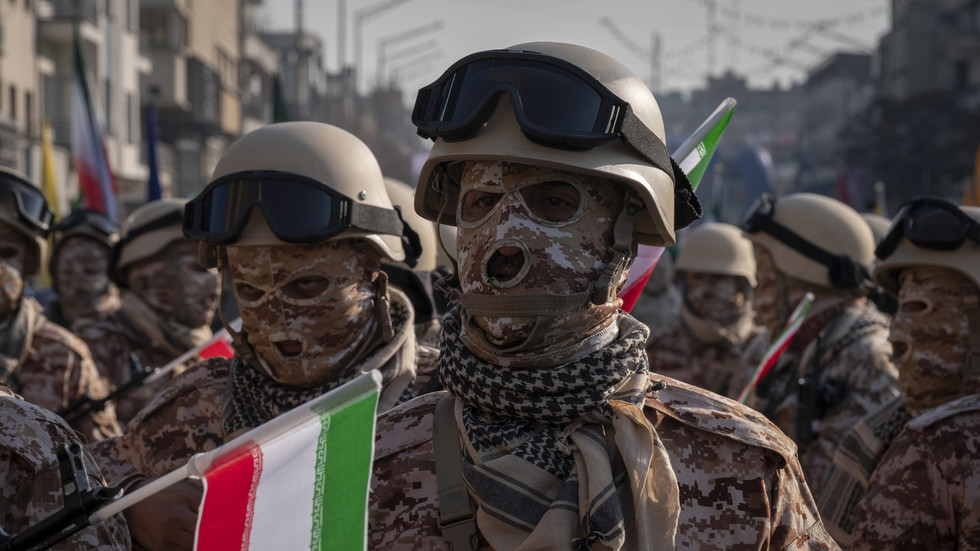
The US-Israeli military campaign against Iran has extended into a second week, with analysts suggesting the acute phase may last approximately ten days or longer if no major strategic shift occurs. The conflict, which escalated following long-standing efforts by Israel to undermine Iranian influence, has so far failed to produce the internal collapse or decisive strategic reversal anticipated by Washington and Jerusalem.
Iranian societal resilience, rooted in a deep-seated cultural and religious identity, has complicated external expectations. Analysts note that the Islamic Republic’s stability draws from more than economic or political factors; it is reinforced by a historical narrative centered on resistance and sacrifice, themes central to Shia Islamic tradition. This framework, they argue, shapes a political response to foreign pressure that often consolidates rather than fractures domestic support.
The war has activated internal dynamics favoring hardline elements. The ascendance of Mojtaba Khamenei, son of the Supreme Leader, has solidified a more disciplined security-oriented faction, a development observers link to the unifying effect of external conflict. This trajectory challenges a recurring US assumption that economic pressure and military coercion will inevitably fracture adversarial regimes—a pattern seen previously in Iraq and elsewhere.
Internationally, the campaign has strained alliances. European governments have expressed significant unease with the scale of operations, with Spain notably critical, reflecting broader transatlantic discomfort. Public sentiment in parts of Europe and the Global South has shifted, with many viewing the conflict as an exertion of overwhelming force by a major power and its ally, rather than a clear-cut security operation. This perception has eroded Israel’s moral standing in some Western circles, even as antisemitism rises separately.
Gulf states are reassessing their security postures. The perceived conditional nature of US guarantees and the demonstrated ability of Iran to withstand attack have prompted regional capitals to accelerate self-reliance efforts. The aura of unchallenged American military dominance is diminishing, noted by regional actors observing the conflict’s expansion and the vulnerability of critical energy chokepoints like the Strait of Hormuz.
Economic factors are influencing the conflict’s trajectory. Brent crude prices have risen sharply on disruption fears, with the $120 per barrel threshold cited as a potential trigger for broader market panic. These costs, combined with the finite nature of US theater resources—including munitions stocks and regional basing—suggest an operational limit to sustained high-intensity escalation.
Diplomatic maneuvering is intensifying. Russia has engaged in shuttle diplomacy, with President Putin holding separate calls with both Iranian President Masoud Pezeshkian and former President Donald Trump. While no formal endgame proposal is confirmed, Moscow is widely seen as a conduit for managing de-escalation talks.
The current phase is best understood as a violent episode within a protracted confrontation that began with the October 7, 2023, escalation. Neither side has achieved a decisive outcome; Iran has maintained core capabilities, while US-Israeli objectives of fracturing Iranian deterrence remain unmet. A near-term reduction in hostilities appears likely, but underlying strategic rivalries—US global posture, Israeli regional primacy, and Iranian sovereignty—persist unresolved. The conflict underscores the fragility of the post-Cold War international order, where repeated shocks accelerate the fragmentation of established security frameworks.

Comments are closed for this story.