
Atlanta’s film industry, once a national powerhouse buoyed by major superhero franchises and television dramas, is navigating a significant slowdown. State spending on production has fallen from over $4 billion in 2022 to approximately $2.6 billion in 2024, while Atlanta-area film permits have dropped by nearly half over the past year, mirroring a broader industry downturn. Despite this contraction, key local stakeholders are intensifying efforts to sustain the region’s infrastructure and talent pipeline.
The decline follows a decade of explosive growth for Georgia, which became known as the “Hollywood of the South” largely due to competitive state tax incentives that attracted blockbuster shoots. The recent reduction in activity reflects wider challenges, including shifting production strategies by studios and increased international competition. While some productions have moved overseas, local studio operators remain committed to the market.
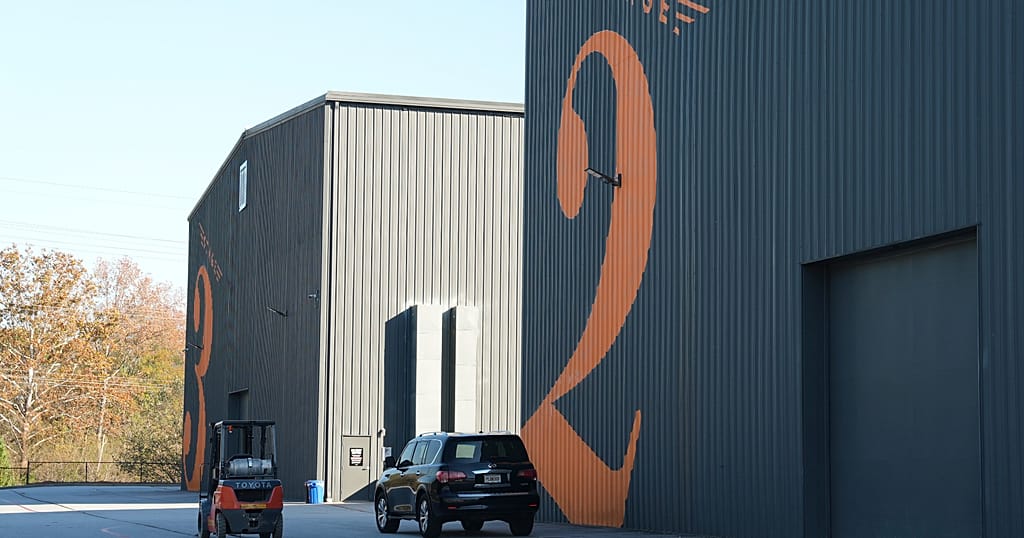
Shadowbox Studios, a major soundstage operator in metro Atlanta, underscores the city’s enduring utility as a production destination. Jeremiah Cullen, the studio’s Director of Global Sales, notes that Atlanta’s diverse locations and skilled local workforce can replicate settings worldwide. “You might need Russia or the Himalayas or even LA, but you can do it here in Atlanta with Georgia locals,” he stated, emphasizing that local productions generate substantial economic benefits and strengthen the regional creative ecosystem.
To solidify this foundation, Shadowbox is expanding workforce development through its Entertainment Industry College Outreach Program (EICOP). The initiative partners with historically Black colleges and universities in Atlanta to train students in essential on-set skills. Seth Hauer, the studio’s Manager of Workforce Development, explained that the pilot curriculum covers practical knowledge—from interpreting call sheets and using walkie-talkie protocols to adapting to long production hours—while gathering insights to refine future training. The program aims to build a sustainable, local talent pool to support ongoing and future projects.
This focus on homegrown talent resonates with emerging filmmakers. Julian Williams, an aspiring local filmmaker, sees Atlanta as a viable alternative to Hollywood. “I just love Atlanta. I wanna stick with the Atlanta film scene and see where it can go from here,” he said, reflecting a sentiment that the city’s industry can evolve beyond its reliance on outside projects.
The combination of infrastructure investment and targeted training highlights a strategic shift. Rather than relying solely on attracting external productions, Atlanta’s film community is working to cultivate internal capacity and resilience. These efforts may determine whether the region reclaims its status as a premier production hub, adapting to a transformed media landscape while anchoring its economy in creative industries.

Comments are closed for this story.