
Niger Delta Group Demands Decentralisation of Oil Pipeline Surveillance Contracts
ABUJA — The United Niger Delta Forum (UNDF), a coalition representing ethnic groups in Nigeria’s oil-producing region, has called for the immediate decentralisation of pipeline surveillance contracts across all oil-bearing communities. The group argues the current system violates the Petroleum Industry Act (PIA) and fuels regional exclusion and economic instability.
At a press conference on Friday, the UNDF stated that Nigeria’s economy remains dependent on Niger Delta oil resources, yet the ethnic nationalities that host these resources are systematically excluded from their protection, management, and economic benefits. The group described this arrangement as unsustainable and dangerous to national unity.
The core of the UNDF’s demand centres on pipeline security contracts. Despite federal expenditures estimated in trillions of naira intended to protect critical oil infrastructure and curb theft, Nigeria’s oil production has stagnated at about 1.5 million barrels per day, well below its potential capacity of over two million. The group questioned the efficacy of this spending, suggesting a lack of transparency and oversight enables systemic inefficiencies and potential sabotage.
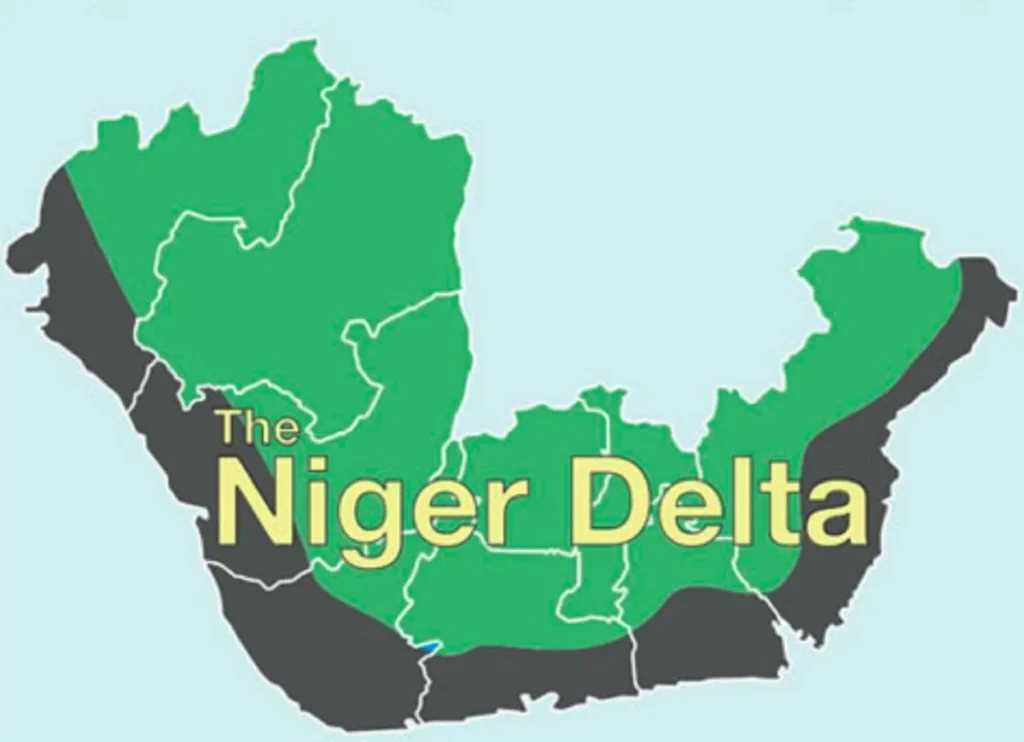
A key criticism is the perceived concentration of lucrative surveillance contracts among a small group linked to a single ethnic bloc within the diverse Niger Delta. The region is home to numerous oil-producing ethnic nationalities, including the Ijaw, Urhobo, Isoko, Itsekiri, Ogoni, and others. The UNDF asserts that excluding most of these communities from meaningful participation in security contracts breeds resentment, undermines collective efforts to protect assets, and creates an oligarchic dynamic.
The group advocates for full compliance with the PIA, specifically Section 257, which recognises the role of host communities in protecting petroleum infrastructure within their territories. The law also permits the use of Host Community Trust Funds for repairing sabotage damage. The UNDF’s demand is for a structure that distributes surveillance opportunities equitably among all relevant ethnic nationalities and host communities.
This call underscores longstanding tensions over resource control and environmental justice in the Niger Delta. Analysts note that implementing the PIA’s provisions on community participation could be a critical step toward improving security, boosting production, and addressing historical grievances in the region. The federal government has not yet issued a formal response to the UNDF’s demands.




Comments are closed for this story.