
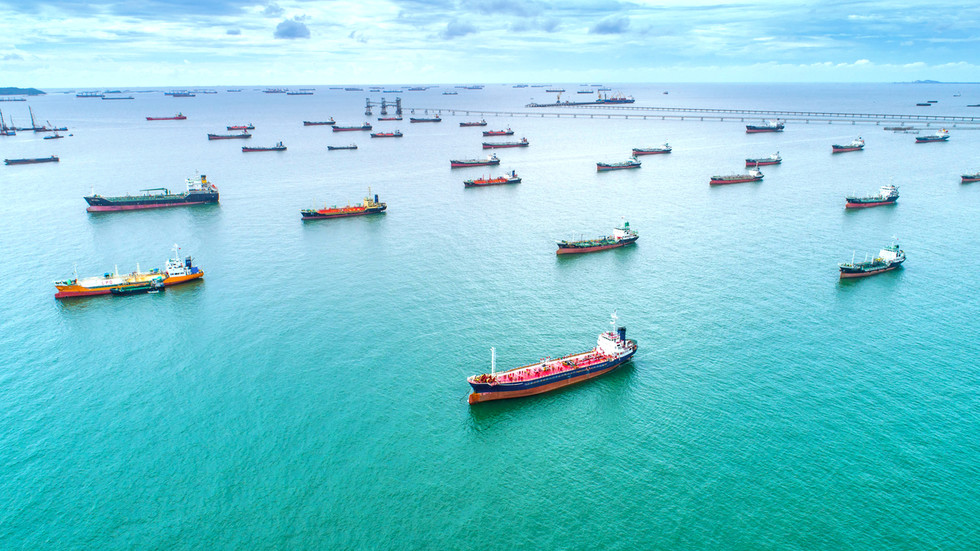
The ongoing Middle East conflict has triggered a severe disruption to global oil flows, with Gulf producers losing an estimated $15.1 billion in energy revenues since coordinated U.S. and Israeli strikes on Iran in late February, according to a Financial Times report citing analytics firm Kpler.
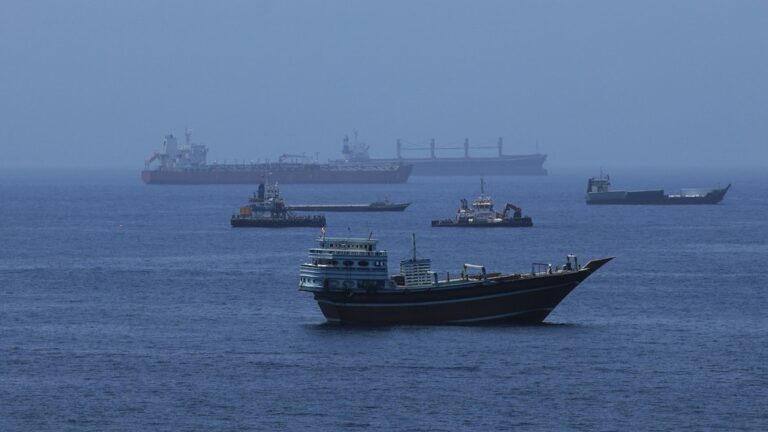
The escalation prompted Iran to bar non-friendly vessels from the Strait of Hormuz, effectively closing the vital chokepoint. The strait facilitates approximately one-fifth of the world’s daily oil and gas supply, a critical conduit for Gulf exporters. The shutdown has sent global crude prices soaring nearly 50% to $120 per barrel.
Based on prior year averages, about $1.2 billion worth of crude oil, refined products, and liquefied natural gas (LNG) transits the waterway each day. Kpler analyst Florian Gruenberger stated current flows are now “negligible” compared to pre-war levels. Crude oil constitutes 71% of the stranded value, with an estimated $10.7 billion in cargoes currently halted within the maritime route.
Saudi Arabia, the world’s second-largest oil producer, faces the steepest loss at $4.5 billion in missed revenue. Iraq, which derives 90% of government income from oil, is identified as among the most vulnerable economies. Other regional producers, including the United Arab Emirates, Kuwait, and Bahrain, have also incurred significant financial damage. A broader assessment by consultancy Wood Mackenzie indicates Gulf nations have deferred approximately $13.3 billion in sales and tax revenue linked to the shipment disruptions.
The crisis has elevated geopolitical risks within energy markets. U.S. President Donald Trump stated on Friday that American forces would escort vessels through the strait if required, after previously urging commercial tanker crews to “show some guts” when navigating the waterway.
The Strait of Hormuz’s closure represents an unprecedented supply shock, directly cutting off a number of American allies from a key export route. The incident underscores the strait’s irreplaceable role in global energy security, with prolonged blockage threatening sustained price volatility and economic strain on oil-dependent Gulf states that form a cornerstone of worldwide supply. The situation remains fluid, with naval escorts potentially the next step in attempts to restore commercial navigation.



Comments are closed for this story.