

Oil prices held above $100 per barrel on Friday, extending a period of heightened volatility driven by prolonged supply disruptions, while global equity markets declined amid widening concerns about economic growth and persistent inflation.
Brent crude, the international benchmark, briefly dipped below $100 during the session before recovering to close at $102.03, up 1.6%. This fluctuation mirrored trading patterns in stock markets, which initially rose on the dip but later turned lower as oil prices rebounded. The persistence of the Middle East conflict, now in its third week, continues to dictate market sentiment. A key factor is Iran’s closure of the Strait of Hormuz, a critical chokepoint for approximately one-fifth of global seaborne oil shipments.
Analysts noted that the energy supply shock is complicating the inflation outlook. “Fears of a burgeoning energy crisis remain front and centre for investors,” said Joshua Mahony of Scope Markets, highlighting growing inflationary pressures. This environment has prompted a dramatic shift in expectations for major central banks. Previously anticipated interest rate cuts are now on hold, with a growing likelihood of hikes to combat inflation. A record seven central banks, including the U.S. Federal Reserve and the Bank of England, will hold policy meetings next week.
Market analysts stress that central banks face a delicate抉择. “Markets will be watching closely for any signals on how they plan to deal with surging oil and gas prices,” said Russ Mould of AJ Bell, questioning whether policymakers view the pressure as transitory or a lasting threat to price stability.
The economic data backdrop offered mixed signals. U.S. fourth-quarter GDP growth was revised down significantly to 0.7% from an initial 1.4%, pointing to a slowing economy. Meanwhile, the Federal Reserve’s preferred inflation gauge remained elevated at 2.8% in January, above the 2% target and prior to the latest energy price spike. “The Fed is now looking at an environment where inflation remains sticky and will soon get an energy-fuelled boost, while GDP growth and the labour market continue to lose momentum,” noted Bret Kenwell of eToro.
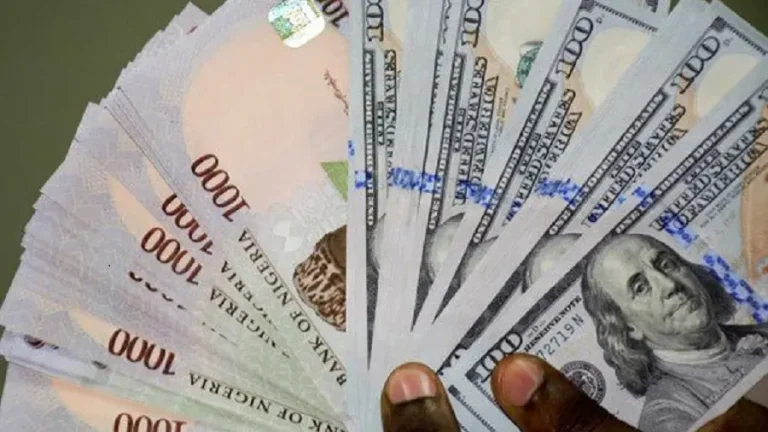
In foreign exchange markets, the U.S. dollar strengthened against major currencies, buoyed by its safe-haven appeal and expectations of prolonged higher interest rates.
The convergence of stubbornly high energy costs, slowing growth, and imminent central bank decisions has created a tense, uncertain climate for investors. The upcoming policy meetings are poised to define the near-term trajectory for both financial markets and the global economic outlook.



Comments are closed for this story.