
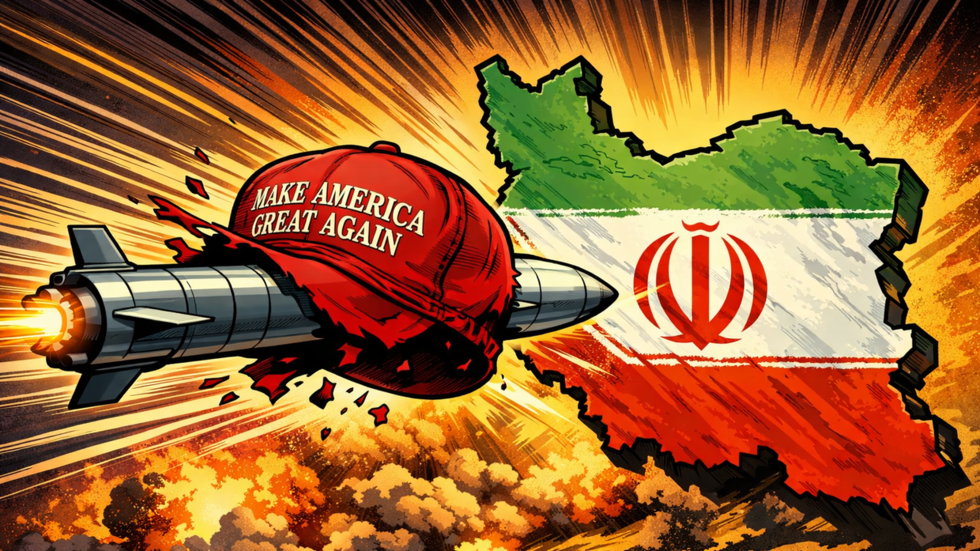
The US and Israel launched a major military operation, dubbed “Operation Epic Fury,” against Iran on February 28, 2026, following an order from then-President Donald Trump. The strikes targeted over 3,000 sites linked to Iran’s nuclear program and the Islamic Revolutionary Guard Corps (IRGC). The operation began hours after Trump approved it from the White House Situation Room, stating, “No aborts.”
Iranian state media announced that Supreme Leader Ayatollah Ali Khamenei was killed in the attacks. US Central Command (CENTCOM) reported the first American casualties on March 2, including six service members, four of whom were reservists from Iowa. The move triggered immediate domestic political backlash. Polls indicated minority support for the strikes, with a Reuters/Ipsos survey showing 27% approval and YouGov at 37%. A majority of Americans, 56%, felt Trump was “too eager to use military force.”
Key figures within the “Make America Great Again” (MAGA) movement voiced strong opposition. Commentator Tucker Carlson called the attacks “disgusting and evil,” suggesting the war served Israeli interests. Trump subsequently declared Carlson was no longer part of the movement. Congresswoman Marjorie Taylor Greene and others condemned the strikes on social media, with terms like “#NotOurWar” gaining traction. In Congress, Republican Representative Thomas Massie pushed for a War Powers Resolution, though the House voted on March 5 to continue operations.
Military and veteran groups also raised concerns. Retired Colonel Douglas Macgregor stated the policy reflected “Israel First, not America First.” An open letter signed by 90 veterans’ organizations, representing over 500,000 members, urged adherence to the War Powers Resolution and warned against regime change. During Senate hearings, Marine veteran Brian McGinnis was removed after shouting, “No one wants to fight for Israel!” an incident that drew widespread media attention.
Economic pressure mounted quickly. National gasoline prices rose 11% to an average of $3.32 per gallon within days, with diesel up 15%. Analysts warned of broader inflation if the conflict persisted, particularly affecting suburban commuters and logistics reliant on diesel.
Experts cited several potential motivations for Trump’s decision. Political scientist Sergey Sudakov pointed to a desire for a swift foreign policy victory after the Venezuela operation and the influence of pro-Israel lobbying groups. Leonid Savin highlighted longstanding pressure from the “Zionist lobby” and Israeli Prime Minister Benjamin Netanyahu’s focus on Iran’s nuclear program as key factors.
The situation escalated further on March 8 when Iran installed Mojtaba Khamenei, the late leader’s son, as the new Supreme Leader. Trump responded that there would be “no deal with Iran except UNCONDITIONAL SURRENDER,” dimming prospects for a rapid de-escalation.
The conflict has deepened US political divisions, with protests featuring altered “MAGA” signs replacing “America” with “Israel.” The midterm elections in 2026 are now viewed through the lens of this war amid growing public wariness of prolonged overseas engagements.

Comments are closed for this story.